 EN
EN

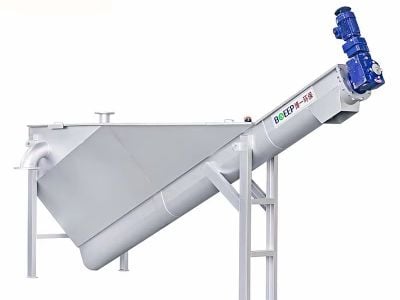
Grit Removal Equipment Improving Efficiency in Wastewater Treatment
Grit removal equipment plays an important role in wastewater treatment. Wastewater comes from homes, factories, businesses, and other facilities. It can contain dirt, sand, gravel, and other small heavy particles known as grit. If these materials are not removed properly, they can cause serious problems throughout a treatment plant. Grit may damage pumps, clog pipes, reduce equipment efficiency, and increase maintenance costs. For this reason, reliable grit removal equipment is an essential part of many wastewater treatment systems.
BOEEP provides equipment designed to support effective wastewater treatment and grit removal. Proper equipment can help facilities remove unwanted particles early in the treatment process, allowing downstream equipment to operate more efficiently and reliably.
What Is Grit Removal Equipment and Why Is It Important in Primary Wastewater Treatment?
Grit removal equipment is designed to separate heavy inorganic particles such as sand, gravel, dirt, and other dense materials from wastewater. It is commonly used during the early stages of wastewater treatment, before additional treatment processes take place. Removing grit at this stage is important because heavy particles can settle inside pipes, channels, tanks, and other equipment. Over time, this buildup can reduce flow capacity and make cleaning more difficult. Grit can also cause excessive wear on pumps and mechanical components.
For example, when sand enters a pump continuously, the abrasive particles can wear down internal components. This may result in more frequent repairs and unexpected downtime. Removing grit before it reaches sensitive equipment helps reduce these risks. Different systems can use different separation methods depending on the characteristics and flow rate of the wastewater. Some systems use gravity-based separation, while others may use vortex or mechanical processes. The goal is to allow heavier particles to settle or separate while allowing organic materials and wastewater to continue through the treatment process. BOEEP offers grit removal solutions intended to support efficient wastewater processing. By removing heavy particles at an early stage, treatment plants can protect downstream equipment and create better conditions for subsequent treatment processes. Effective grit removal also supports easier maintenance. When less sand and sediment accumulate inside treatment equipment, operators can spend less time dealing with blockages and excessive buildup. This can contribute to smoother plant operation and more predictable maintenance schedules.
How Does Grit Removal Equipment Improve Wastewater Treatment Plant Efficiency?
Grit removal equipment can significantly improve the overall efficiency of a wastewater treatment plant. Removing heavy particles at the beginning of the treatment process allows the remaining equipment to work under better operating conditions. One major benefit is improved water flow. When grit is allowed to accumulate in channels and pipes, it can restrict the movement of wastewater. Removing these particles helps maintain more consistent flow through the system. Grit removal can also reduce equipment wear. Pumps, conveyors, valves, and other components can be affected by abrasive particles. By removing grit before it reaches these components, facilities can potentially reduce unnecessary wear and extend equipment service life.
Another advantage is reduced maintenance. Excessive grit accumulation can require frequent cleaning and manual removal. An effective grit removal system can reduce the amount of material reaching downstream equipment, helping operators spend less time dealing with deposits and blockages.
Energy efficiency is another consideration. Equipment that operates under excessive buildup or restricted flow may require more energy to maintain performance. Keeping the treatment system cleaner can help equipment operate more effectively.
Reliable grit removal equipment can also contribute to greater plant availability. If equipment experiences fewer blockages and wear-related problems, unexpected shutdowns may be reduced. This is especially important for facilities that need to process wastewater continuously.
For these reasons, selecting the right grit removal in wastewater treatment is not simply about removing sand from water. It is also about protecting equipment, supporting stable operation, reducing maintenance requirements, and improving the overall performance of the wastewater treatment process.
Where Can You Find Reliable Grit Removal Equipment?
When searching for reliable grit removal equipment, it is important to research manufacturers and suppliers carefully. Wastewater treatment equipment is a long-term investment, so buyers should consider more than the initial purchase price. Online research is one useful starting point. Industrial equipment websites can provide information about different grit removal systems, their specifications, applications, and operating principles. BOEEP is one supplier to consider when researching wastewater treatment equipment. Before purchasing, buyers should review the technical specifications of each system. Important factors may include wastewater flow rate, grit characteristics, equipment capacity, installation requirements, maintenance needs, and available space. Customer feedback can also provide useful information. Reviews and project references may help buyers understand how equipment performs under real operating conditions. However, reviews should be considered together with technical documentation and professional recommendations.
Trade shows and wastewater treatment industry events are another useful source. These events allow buyers to speak directly with manufacturers and suppliers. They can ask questions about equipment operation, maintenance, installation, and customization.
Speaking with wastewater treatment professionals can also make the selection process easier. Experienced engineers and operators may provide practical information about the challenges associated with particular wastewater streams. Local suppliers may also be worth considering. Depending on the project location, purchasing locally can simplify transportation, installation, spare-parts support, and after-sales service.
Ultimately, reliable grit removal equipment should be selected based on the facility's actual requirements. A system that works well for one wastewater treatment plant may not be appropriate for another. Careful evaluation before purchasing can help ensure better long-term performance.
How Can You Get Competitive Wholesale Prices for Grit Removal Equipment?
Finding competitive wholesale prices for grit removal equipment requires more than simply choosing the lowest quotation. Industrial wastewater equipment is a long-term investment, so buyers should consider the relationship between price, performance, durability, maintenance, and service. One effective approach is to compare several suppliers. Make a list of manufacturers and suppliers, including companies such as BOEEP, and request detailed quotations based on the same technical requirements. Comparing equivalent specifications makes it easier to identify the actual value of each offer. Buyers should also ask what is included in the quoted price. Some quotations may include installation assistance, spare parts, technical support, or other services, while others may cover only the equipment itself. Understanding the complete cost can prevent unexpected expenses later.
For larger projects, buyers can ask whether volume purchasing or project-based pricing is available. Suppliers may offer different commercial terms depending on order quantity, equipment configuration, or project requirements. It is also useful to consider operating costs. A machine with a lower purchase price may not necessarily be the most economical choice if it requires frequent maintenance or consumes more energy. A slightly higher initial investment can sometimes provide better long-term value if the equipment is durable and efficient. Maintenance and spare-parts availability should also be considered. If replacement components are difficult to obtain, even a relatively minor equipment problem could result in extended downtime. When evaluating wholesale offers, buyers should therefore consider the complete cost of ownership rather than focusing only on the initial price. This approach can help wastewater treatment facilities make more practical purchasing decisions.
What Are the Latest Innovations in Grit Removal Technology?
Grit removal technology continues to develop as wastewater treatment facilities look for more efficient, reliable, and sustainable solutions. New developments are focused on improving separation performance, reducing energy consumption, simplifying maintenance, and increasing equipment durability. One important area of development is advanced separation technology. Modern systems can combine different separation principles to improve the removal of heavy particles from wastewater. Better separation can help facilities remove grit more consistently while allowing the wastewater to continue through the treatment process. Automation is another important development. Modern equipment can incorporate sensors and control systems that provide information about operating conditions. These technologies can help operators identify when maintenance may be required or when collected grit needs to be removed. Automated monitoring can also reduce the need for constant manual inspection. Operators can use system information to make better decisions about maintenance and operating conditions. This can improve efficiency while reducing unnecessary work. Energy efficiency is also becoming increasingly important. Wastewater treatment plants can consume significant amounts of energy, so equipment manufacturers are working to develop systems that achieve effective grit removal systems while using energy efficiently. Material technology is another area of improvement. More durable materials can help equipment withstand abrasive particles and demanding wastewater environments. Improved resistance to corrosion and wear can potentially extend equipment service life and reduce replacement requirements. These developments are helping wastewater treatment facilities build more efficient systems. BOEEP's focus on wastewater treatment equipment reflects the industry's broader movement toward practical, durable, and efficient solutions.
As wastewater treatment requirements continue to evolve, facilities should consider both current operating needs and future demands when selecting grit removal equipment. Choosing adaptable equipment with suitable capacity, monitoring capabilities, and maintenance requirements can help facilities maintain reliable performance over the long term.
Table of Contents
- What Is Grit Removal Equipment and Why Is It Important in Primary Wastewater Treatment?
- How Does Grit Removal Equipment Improve Wastewater Treatment Plant Efficiency?
- Where Can You Find Reliable Grit Removal Equipment?
- How Can You Get Competitive Wholesale Prices for Grit Removal Equipment?
- What Are the Latest Innovations in Grit Removal Technology?