 EN
EN

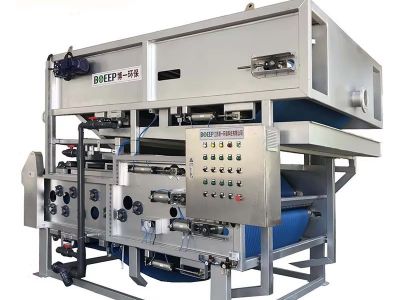
Belt Press Equipment for Efficient Continuous Sludge Dewatering
Belt press equipment plays an important role in wastewater treatment, particularly when facilities need to remove excess water from sludge. Sludge is a thick mixture of solids and water produced during wastewater treatment at factories, sewage plants, and other facilities. If it is not handled properly, sludge can increase disposal costs and create environmental challenges. Belt press equipment helps separate water from sludge through continuous mechanical pressure, producing a drier material that is easier to transport, process, and dispose of. BOEEP provides wastewater treatment equipment designed to support efficient sludge management and continuous dewatering operations.
How Does Continuous Sludge Dewatering Improve Wastewater Treatment?
Continuous sludge dewatering is an important stage in modern wastewater treatment because it reduces the amount of water contained in sludge. Instead of handling large quantities of wet sludge, treatment facilities can use belt press equipment to continuously squeeze water from the material. The resulting sludge cake is generally easier to collect, transport, and manage. One major advantage is reduced sludge volume. When excess water is removed, the remaining solids occupy less space. This can reduce the amount of storage capacity required at a treatment facility. It can also lower transportation and disposal expenses because trucks do not need to carry as much water along with the solids.
Continuous operation is another important benefit. Unlike processes that require long waiting periods between batches, a belt press can continuously receive sludge and dewater it as part of an ongoing treatment process. This makes it useful for facilities that handle wastewater throughout the day.
The dewatering process can also support better overall plant efficiency. When sludge contains less water, downstream handling becomes easier. Depending on its composition and applicable regulations, the dewatered material may potentially be further processed, reused, or sent for appropriate disposal.
Environmental considerations are also important. Reducing the amount of material that needs to be transported can help reduce vehicle trips and associated fuel consumption. Proper sludge management also helps facilities prevent uncontrolled accumulation and maintain cleaner working areas.
For these reasons, continuous sludge dewatering is an important part of efficient wastewater management. With properly selected belt press equipment, facilities can improve sludge handling while controlling operating and disposal costs.
How to Choose the Best Belt Press Equipment for Your Sludge Dewatering Needs?
Choosing suitable belt press equipment requires more than simply comparing machine sizes. The characteristics of the sludge, required capacity, available space, operating conditions, and maintenance requirements should all be considered before making a purchase. The first factor is sludge quantity. A facility processing a large volume of wastewater may need equipment with greater throughput. Selecting a machine that matches the expected sludge load helps prevent unnecessary bottlenecks and allows the dewatering process to operate more consistently. The type and characteristics of sludge are equally important. Industrial sludge can vary significantly depending on the manufacturing process. Organic sludge, municipal sludge, and sludge containing industrial solids may behave differently during dewatering. Testing the material can help determine the appropriate operating conditions and equipment configuration. The desired dryness of the final sludge cake should also be considered. A facility may have specific transportation, disposal, or downstream processing requirements. The equipment should therefore be selected according to the intended use and the characteristics of the material after dewatering. Maintenance is another major consideration. Equipment that is difficult to clean or service can increase downtime and operating expenses. Look for a design that provides convenient access to components that require routine inspection, cleaning, adjustment, or replacement.
Energy and water consumption should also be reviewed. A system that operates efficiently can help reduce long-term operating costs. Facilities should evaluate not only the initial purchase price but also expected maintenance, energy, water, and replacement costs.
Finally, consider technical support. Installation guidance, operator training, spare parts availability, and after-sales assistance can all affect the long-term performance of belt press equipment. Working with an experienced supplier such as BOEEP can help facilities identify equipment that matches their specific wastewater treatment requirements.
How Effective Is Belt Press Equipment in Reducing Sludge Volume?
Belt press equipment can significantly reduce the amount of water contained in sludge, which can substantially decrease its weight and volume. However, the exact result depends on the type of sludge, feed concentration, polymer conditioning, machine settings, and other operating conditions. The basic principle is straightforward. Sludge enters the machine and passes through a series of rollers and filter belts. As the material moves through the equipment, mechanical pressure forces water through the belt while the concentrated solids continue toward the discharge area. This continuous separation makes the remaining sludge easier to manage. For example, a facility that previously transported large quantities of wet sludge may be able to reduce transportation requirements after installing an effective dewatering system. Reducing water content also helps lower disposal costs. Disposal companies commonly charge according to weight or volume, so eliminating unnecessary water can make sludge management more economical. However, it is important not to assume that every application will achieve the same water-removal percentage. Claims about removing a specific percentage of water should be confirmed through application testing and manufacturer data for the particular sludge being processed. Proper chemical conditioning can also influence performance. In many applications, polymers are used to help separate water from solids before the sludge reaches the belt press for sludge dewatering. The correct chemical type and dosage depend on the sludge characteristics. Operators should monitor the process regularly and adjust operating conditions when necessary. Feed rate, belt speed, pressure, wash-water conditions, and polymer dosage can all affect the final dewatering result. With appropriate equipment selection and operation, belt press equipment can help wastewater treatment facilities reduce sludge weight, improve handling, and control transportation and disposal costs.
Where Can You Find Affordable Belt Press Equipment?
When purchasing belt press equipment, affordability should be evaluated together with quality and long-term operating costs. The lowest purchase price does not necessarily represent the best value if the equipment requires frequent repairs or produces inconsistent dewatering results.
One convenient starting point is to research manufacturers and wastewater treatment equipment suppliers online. BOEEP is one supplier that offers equipment for sludge treatment and wastewater management. Reviewing available models can help buyers understand the differences in capacity, configuration, and operating requirements.
It is also useful to request quotations from several suppliers. A detailed quotation should identify the equipment configuration, capacity, included components, installation requirements, shipping costs, and other relevant expenses. Comparing complete quotations gives buyers a clearer picture of the total investment. Trade shows and wastewater treatment exhibitions can provide another useful sourcing opportunity. Buyers can meet equipment manufacturers, discuss their applications, and learn about different technologies. In some cases, these events can also provide opportunities to negotiate project-specific solutions. Used belt press manufacturers equipment may be another option for facilities with limited budgets. However, buyers should carefully inspect used machinery and verify its operating history, maintenance condition, belt condition, replacement-part availability, and remaining service life.
Warranty and technical support should also be included in the comparison. A slightly higher initial investment may be worthwhile if the supplier provides dependable service, spare parts, installation assistance, and operator guidance. The best purchasing decision should therefore consider the complete cost of ownership rather than the initial price alone. By comparing specifications, performance, support, maintenance requirements, and total costs, facilities can find belt press equipment that provides good value over its operating life.
How Can You Maximize Belt Press Performance for Optimal Sludge Dewatering?
After installing belt press equipment, proper operation and maintenance are essential for achieving consistent dewatering performance. Even a high-quality machine may produce poor results if it is incorrectly configured or poorly maintained. Start by following the manufacturer's operating instructions. The machine should be installed correctly, leveled properly, and operated within its recommended capacity. Overloading the equipment can reduce performance and increase mechanical wear. Regular inspection is also important. Operators should check belts, rollers, bearings, scrapers, pumps, and other components for signs of wear or damage. Filter belts should be cleaned properly because accumulated solids can interfere with filtration and reduce dewatering efficiency. Feed conditions should be monitored as well. Changes in sludge concentration or composition can affect the performance of the system. If the characteristics of incoming sludge change, operators may need to adjust the operating parameters or chemical conditioning process.
Polymer conditioning can have a major impact on results. The appropriate polymer and dosage should be established through testing rather than simply increasing chemical use. Excessive polymer consumption can raise operating costs without necessarily improving performance.
Belt speed and pressure should also be adjusted according to the application. A faster belt speed may increase throughput but can reduce the amount of time available for drainage. Increasing pressure may improve water removal in some applications, but excessive pressure can affect cake quality or equipment performance. Operators should collect performance data regularly. Useful measurements may include feed flow, solids concentration, polymer consumption, cake dryness, filtrate quality, and equipment operating conditions. Reviewing this information can help identify changes and improve process control.
Finally, preventive maintenance should be scheduled rather than waiting for equipment to fail. Routine cleaning, lubrication, inspections, and replacement of worn components can reduce unexpected downtime and extend equipment life. By combining correct operation, regular maintenance, process monitoring, and appropriate conditioning, facilities can get more consistent results from belt press machine equipment. This makes continuous sludge dewatering more reliable while helping wastewater treatment plants manage sludge efficiently and economically.
Table of Contents
- How Does Continuous Sludge Dewatering Improve Wastewater Treatment?
- How to Choose the Best Belt Press Equipment for Your Sludge Dewatering Needs?
- How Effective Is Belt Press Equipment in Reducing Sludge Volume?
- Where Can You Find Affordable Belt Press Equipment?
- How Can You Maximize Belt Press Performance for Optimal Sludge Dewatering?