 EN
EN

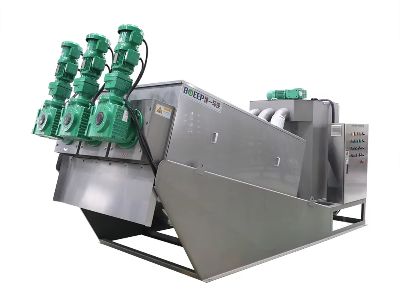
How to Choose the Best Sludge Treatment System for Industrial Wastewater Management?
Managing industrial wastewater is a major responsibility for factories and processing facilities. Many industrial operations produce sludge, a thick material containing water, suspended solids, organic matter, and other waste. If this material is not handled correctly, it can create environmental, operational, and regulatory challenges. A suitable sludge treatment system helps facilities process this waste efficiently while supporting cleaner water management and better resource use. Companies such as BOEEP provide wastewater and sludge treatment solutions designed for different industrial applications. Choosing the right system requires careful consideration of sludge characteristics, treatment capacity, operating costs, maintenance requirements, and applicable regulations.
How to Choose the Best Sludge Treatment System for Your Facility?
The first step in selecting a sludge treatment system is understanding the amount and characteristics of the sludge produced by your facility. Different industries generate different types of sludge. Food-processing facilities may produce sludge with a high organic content, while chemical, metal-processing, or manufacturing facilities may generate sludge containing more complex contaminants. Knowing the sludge composition helps determine which treatment technology is appropriate. Depending on the application, treatment may involve processes such as thickening, dewatering, conditioning, stabilization, or other specialized methods. A system should be selected according to the actual characteristics of the waste rather than simply choosing equipment based on its size or price. Capacity is another important consideration. A facility that produces large amounts of dewatering sludge treatment will require equipment capable of handling its normal operating volume, as well as reasonable variations in production. Selecting equipment that is too small can create bottlenecks, while an unnecessarily large system can increase capital and operating costs. Operating costs should also be evaluated. Energy consumption, water requirements, chemicals, replacement parts, labor, and routine maintenance can all contribute to the total cost of ownership. A system with a higher initial price may provide better long-term value if it uses fewer resources and requires less maintenance. Ease of operation is equally important. Operators should be able to understand the equipment controls, monitor performance, and carry out routine maintenance without unnecessary complexity. Automated monitoring and control features can make operation easier and help identify problems before they affect the entire treatment process.
Regulatory compliance should also be part of the decision-making process. Industrial facilities must follow applicable wastewater, sludge handling, environmental, and workplace safety requirements. Before purchasing equipment, businesses should verify that the selected treatment approach can support their specific compliance obligations. BOEEP can be considered when comparing industrial wastewater treatment solutions, particularly when a facility needs equipment matched to its sludge characteristics, capacity, and operating requirements.
Where to Find Wholesale Sludge Treatment Solutions for Industrial Needs?
For large industrial facilities, purchasing treatment equipment through a manufacturer or industrial supplier can provide advantages in terms of product selection, technical support, and project planning. Wholesale purchasing may also be useful when a company requires multiple systems, replacement equipment, or equipment for several facilities. BOEEP offers various wastewater and sludge treatment solutions for industrial applications. Businesses can review available technologies, discuss their wastewater characteristics with technical teams, and determine which equipment is appropriate for their operations. Trade shows and industry exhibitions can also be useful when researching equipment. These events allow buyers to compare different suppliers, examine equipment designs, and ask technical questions directly. They can also provide opportunities to learn about newer treatment technologies and automation systems. Online industrial equipment platforms are another option for researching suppliers. However, buyers should look beyond the listed price. Important factors include manufacturing experience, technical documentation, installation support, spare-parts availability, warranty conditions, and after-sales service. Before placing a large order, it is useful to request detailed specifications and clarify the expected treatment capacity. Buyers should also ask about installation requirements, electrical requirements, maintenance schedules, consumable materials, and operator training.
A reliable supplier should be able to explain how its equipment fits the customer's wastewater conditions rather than simply recommending a standard machine. This approach can reduce the risk of purchasing equipment that does not perform as expected after installation.
What Are the Common Issues With Sludge Treatment Systems?
Even a properly designed sludge treatment system can experience operating challenges if it is not correctly maintained or matched to the wastewater characteristics. One common issue is excessive sludge accumulation. When solids build up faster than the equipment can process them, components may become blocked or overloaded. This can reduce treatment efficiency and increase energy consumption. Regular inspections and appropriate sludge handling schedules can help prevent excessive buildup. Another challenge is changes in sludge composition. Industrial production processes may change over time, causing the amount or characteristics of wastewater to vary. A treatment system designed for one operating condition may perform differently when the sludge becomes thicker, contains more solids, or includes different contaminants.
Odor can also become a concern when sludge is stored or treated improperly. Appropriate process control, timely handling, and suitable treatment methods can help reduce odor-related problems. Equipment maintenance is another important factor. Pumps, screens, conveyors, filters, dewatering components, valves, and other mechanical parts require regular inspection. Ignoring routine maintenance can result in reduced performance or unexpected downtime.
Operator training should not be overlooked. Workers need to understand the equipment's normal operating conditions and know how to respond when performance changes. Clear operating procedures and regular training can help reduce errors. Facilities should also monitor important performance indicators. Depending on the system, these may include filter presses for sludge treatment flow, solids concentration, moisture content, energy consumption, chemical usage, and treated-water quality. Monitoring these factors helps operators identify changes and make adjustments before small problems become larger ones.
What Are the Benefits of Advanced Sludge Treatment Systems?
Investing in an advanced sludge treatment system can provide several operational benefits. Modern equipment is increasingly designed to improve efficiency while reducing unnecessary resource consumption. One major benefit is improved processing efficiency. Advanced equipment can provide more controlled treatment, helping facilities handle sludge consistently. Better control can also reduce unnecessary energy use and improve overall operating stability. Modern systems may also offer improved automation. Sensors and monitoring systems can track operating conditions and provide useful information to operators. When unusual conditions are detected, operators can respond more quickly. Automation can be especially valuable for facilities that process large quantities of wastewater. Instead of relying entirely on manual observation, operators can use monitoring data to understand how the treatment process is performing. Advanced equipment can also provide greater flexibility. Industrial facilities do not always produce exactly the same amount or type of wastewater every day. Equipment that can accommodate reasonable changes in operating conditions can help facilities maintain stable performance. Another advantage is improved maintenance management. Monitoring equipment performance can help identify unusual vibration, flow changes, pressure variations, or other indicators of potential equipment problems. Early detection can allow maintenance teams to address issues before they result in major downtime. Environmental performance is another important consideration. Effective sludge treatment can reduce the volume of material requiring disposal and help facilities manage waste more responsibly. Depending on the sludge treatment characteristics and applicable regulations, treated material may also have potential for beneficial reuse, although this must be evaluated according to local requirements and contaminant levels. For industrial businesses, these improvements can contribute to lower operating costs, more reliable wastewater management, and better environmental performance.
How to Optimize Sludge Treatment for Better Wastewater Management?
Optimizing a sludge treatment system starts with regular maintenance. Equipment should be inspected and cleaned according to the manufacturer's recommendations. Components that experience frequent wear should be checked regularly and replaced when necessary. Staff training is equally important. Operators should understand the treatment process, equipment controls, safety procedures, and appropriate responses to changing operating conditions. BOEEP and other qualified equipment suppliers may provide technical guidance or training to help facilities operate their systems correctly.
Data collection can also improve treatment performance. Facilities can track variables such as incoming sludge volume, solids concentration, treatment efficiency, energy use, and maintenance frequency. Reviewing these measurements can reveal patterns that may otherwise be difficult to notice.
For example, if energy consumption increases while sludge throughput remains unchanged, the facility may need to inspect pumps, mechanical components, operating settings, or sludge characteristics. If treated sludge consistently contains excessive moisture, operators can investigate whether process conditions or equipment settings require adjustment. Facilities should also review their treatment systems periodically. Equipment that was suitable when a factory first opened may become less suitable as production volumes increase or manufacturing processes change. Upgrading equipment or adding automation may improve performance when existing systems become outdated.
Another useful strategy is to focus on the entire sludge management process rather than one machine. Sludge production, collection, conditioning, dewatering, storage, transportation, and disposal are interconnected. Improving one stage while ignoring another may limit the overall benefits.
For example, reducing sludge moisture through effective dewatering can lower transportation requirements, but only if the resulting material can be safely stored and transported. A complete wastewater management plan should therefore consider every stage of the process.
By combining suitable equipment, preventive maintenance, operator training, process monitoring, and periodic upgrades, industrial facilities can build a more efficient and reliable wastewater management strategy. With appropriate planning and technology from experienced suppliers such as BOEEP, businesses can manage sludge more effectively while controlling costs and supporting responsible environmental practices.
Table of Contents
- How to Choose the Best Sludge Treatment System for Your Facility?
- Where to Find Wholesale Sludge Treatment Solutions for Industrial Needs?
- What Are the Common Issues With Sludge Treatment Systems?
- What Are the Benefits of Advanced Sludge Treatment Systems?
- How to Optimize Sludge Treatment for Better Wastewater Management?