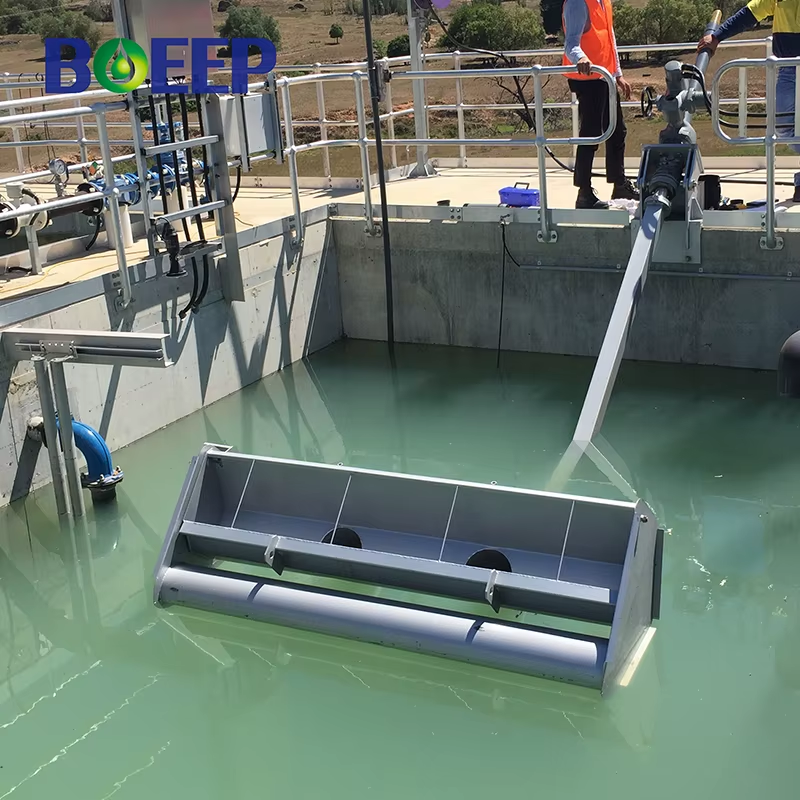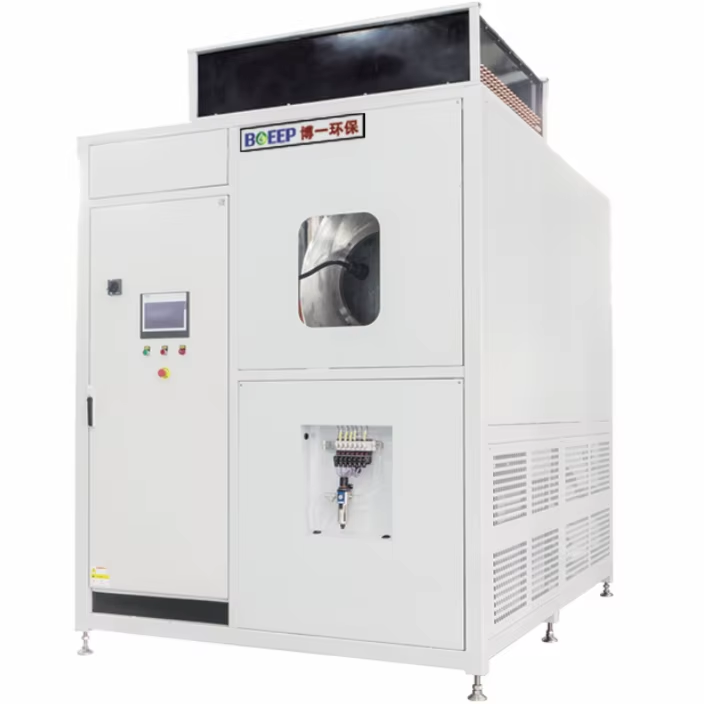
Sewage sludge is the issue that wastewater plants face when they treat dirty water. This is a thick sludge of dirt, bacteria and all manner of other waste that is left after the water has been cleaned. The sewage sludge filter is not so useful after the cleaning process, and if it is not taken care of in a proper manner then it may cause a serious problem for the environment. That’s why we need to find better ways to deal with sewage sludge in the first place
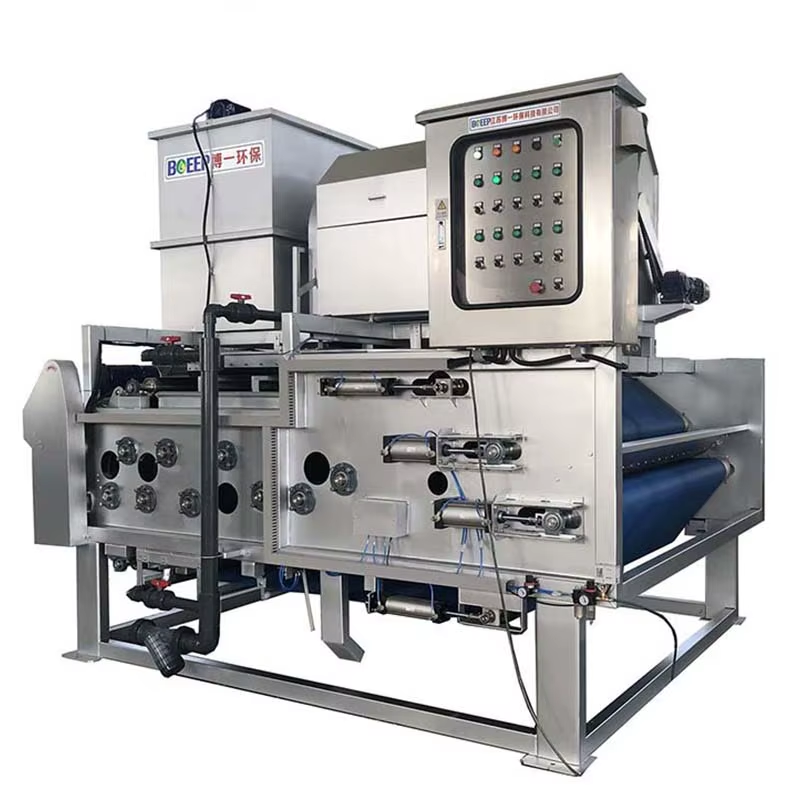
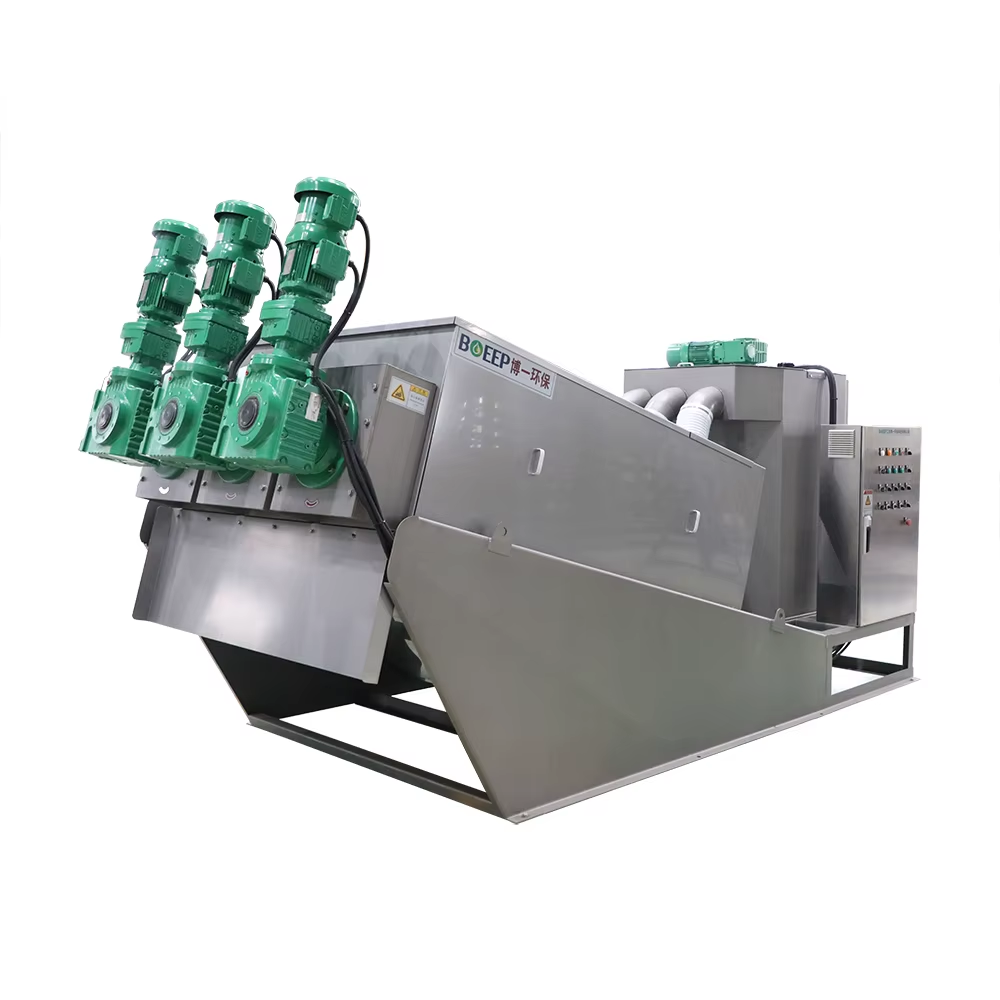
Belt filter press is one greatest apparatus used in wastewater plants. It is a big machine that operates by squeezing the sludge between two long belts. The belts squeeze against each other and expel most of the water from the screw dewatering. The result is the sludge is this much drier — it takes up this much less room than it used to. Rationale of This Method: This method is a common practice of waste treatment sludge as it is effective and can easily treat huge volumes of sludge

Dewatering sewage sludge offered by sludge dewatering filter press system has its advantages for wastewater treatment plants. One of the biggest advantages here is the financial aspect, the plants will save on both storage and transportation costs by extracting the additional water from the sludge. Drier sludge is lighter and takes up less space, making it cheaper to transport. Also, having the sludge be easier to work with allows for it to be disposed of in a much more environmentally friendly way. The plants are able to work more efficiently so it is a win win for all parties.

Dewatering sewage sludge makes its safe and responsible disposal much more straightforward. Some wastewater treatment plants go so far as to use this dewatered sludge as a fertilizer for crops, so there is already a recycling component to the material. Other plants might opt to landfill the sludge. Whether the sludge is incinerated or buried after it is dewatered, however, that process makes the sludge itself much safer to handle.

There are many different aspect for you to take into consideration while selecting the best dewatering method for a waste water treatment plant. Factors such as the size of the plant, the volume of sludge generated and budget for equipment are key to determining the best method for disposal. No two plants are alike, so it’s important to discover which works best for what they need.
BOEEP prioritizes long-term value for our clients by offering energy-efficient, high-performance equipment designed to lower operational and maintenance costs. Our solutions strike the perfect balance between competitive pricing and premium quality, delivering unmatched cost-effectiveness. We also provide flexible procurement options tailored to meet varied client budgets and requirements.
At BOEEP, every piece of equipment is certified to international standards, including CE, SGS, and ISO9001, ensuring superior quality and reliability. Built with premium materials and advanced manufacturing techniques, our products are designed to perform consistently under demanding conditions, delivering durability and efficiency while minimizing operational risks and maintenance costs.
From initial consultation to post-installation services, BOEEP is dedicated to providing seamless customer support. Our expert team offers guidance on installation, training on operation, and fast, efficient maintenance services, including remote diagnostics. With a focus on reliability and responsiveness, we ensure that our clients receive full support throughout the lifecycle of our products.
With a 22,000-square-meter, state-of-the-art manufacturing facility, BOEEP has the capacity to produce over 2,000 units annually. This extensive infrastructure allows us to efficiently fulfill orders, ensuring timely delivery even for large-scale or urgent projects. Our production capabilities are a testament to our reliability as a partner in delivering results.
 EN
EN