 EN
EN

Common Issues with Sludge Dewatering in Different Industries
Many industries produce sludge as part of their operations. Sludge is a thick, muddy substance that can come from different processes, such as making food, treating water, or creating chemicals. It is important to manage sludge well because it can cause problems if not handled properly. For companies like BOEEP, understanding how sludge is created helps in finding better ways to treat it and remove water. This process, called dewatering, makes the sludge easier to handle and transport. We will look at the common issues that wholesale buyers face with sludge dewatering, and how different industries contribute to the generation of sludge.
When wholesale buyers deal with sludge dewatering, they often face several issues. One major problem is the high cost of the dewatering process. Some methods can be very expensive, and this can make it hard for companies to afford proper sludge management. Another problem is the inconsistency in sludge quality. Sometimes, the sludge has different amounts of water or solids in it. This makes it hard to choose the right dewatering method. Additionally, buyers may struggle with regulations and permits. Many places have strict rules about how to handle sludge, and keeping up with these rules can be a challenge. There is also the issue of equipment. Not all sewage sludge dewatering equipment works well for every type of sludge. Some machines might break down or not work as efficiently, leading to delays. Lastly, there is the environmental impact. If sludge is not dewatered properly, it can cause pollution. This means that buyers need to be very careful about how they manage sludge to avoid harming the environment.
Understanding how industrial wastewater treatment affects sludge generation is key to knowing why sludge is created. In many factories, wastewater is produced during the manufacturing processes. This water can have harmful chemicals, dirt, and other materials in it. To make this water safe for the environment, companies must treat it. During this treatment process, solid materials separate from the water. These solids gather together to form sludge. For example, in a food processing plant, leftover food particles and oils can become sludge during water treatment. Similarly, in chemical manufacturing, leftover chemicals can mix with water and create sludge. The more wastewater a company produces, the more sludge it creates. This is why industries that use a lot of water often have bigger sludge problems. Companies like BOEEP work hard to help industries manage this sludge effectively. They develop solutions that make treating wastewater easier and more efficient, reducing sludge generation in the first place. By focusing on better treatment methods, they help companies save money and protect the environment.
What Best Practices Can Reduce Sludge Production in Industries?
Many industries create sludge, which is a thick, muddy waste made from leftover materials. To make less sludge, companies can use some smart, simple practices. First, they can look closely at the materials they use in their processes. If they pick cleaner and better materials, it can help reduce the waste created. For example, if a factory is making food products, choosing fresher ingredients can mean less spoilage and waste. This helps lower the amount of sludge made.
Next, companies can improve their processes. Using new technologies and methods can make a big difference. For instance, industries can recycle more of their water. When they treat and reuse water, they create less sludge because they are using the same water over and over again instead of letting it go to waste. This is not only good for reducing sludge, but it also saves money.
Training workers is also very important. When employees know how to do their jobs better, they can help reduce sludge. Companies like BOEEP offer training programs that teach workers about waste management and how to operate machines more efficiently. By understanding their roles, workers can help spot problems early and find ways to cut down on waste.
Lastly, industries can work together with local governments and communities. By sharing tips and ideas, they can create better rules and practices for waste management. This teamwork can help everyone make less sludge and keep the environment cleaner.
How to Optimize Sludge Dewatering for Increased Efficiency?
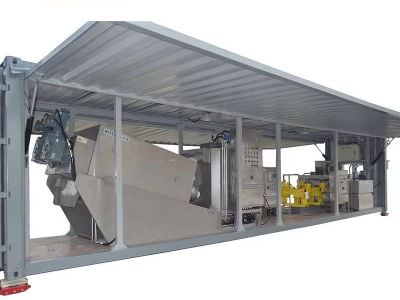
Once industries create sludge, they need to get rid of it properly. Dewatering is the process of removing water from sludge to make it easier to handle. To make this process better, companies can use some effective methods. One way to optimize dewatering is by using the right equipment. Machines that are specifically designed for dewatering can do a quicker and better job. For example, BOEEP makes advanced dewatering equipment that can help separate water from sludge efficiently.
Another important step is to pre-treat the sludge before dewatering. By adding chemicals or using heat, companies can break down the sludge, making it easier to remove water from it. This means that less time and energy are needed for the dewatering process. By optimizing this step, companies can save money and help the environment.
Monitoring the process is also key. It’s essential to keep track of how well the dewatering is working. If there are any problems, they can fix them quickly. Regular checks can help ensure that everything is running smoothly, and this can prevent issues that would create more sludge.
Finally, training workers to understand the sludge dewatering unit process can lead to better results. When workers know how to operate the machines and understand the importance of dewatering, they can help make the process more efficient. BOEEP offers training that helps workers learn how to use dewatering systems effectively. This way, industries can ensure they are getting the most from their equipment while reducing waste.
What Are the Environmental Impacts of Sludge from Industrial Processes?
Sludge from industrial processes can have a big effect on the environment. When sludge is not handled properly, it can cause serious problems. For example, if sludge ends up in rivers or lakes, it can pollute the water. This can harm fish and other animals that live in the water. Contaminated water can also affect people who rely on it for drinking or recreation. It is important for industries to manage sludge carefully to avoid these issues.
Another impact of sludge is on the land. When sludge is dumped in landfills, it can take up a lot of space and create bad smells. Over time, it can also leak harmful substances into the ground. This can damage the soil and make it unsafe for plants to grow. If we want to have healthy farms and gardens, we need to keep the soil clean and safe from sludge pollution. Using products like those from BOEEP can help reduce these environmental impacts. Their equipment is designed to treat and manage sludge properly, minimizing waste and pollution. By investing in better technology, companies can ensure that their sludge is disposed of in a way that protects the environment.
Finally, sludge can also contribute to greenhouse gas emissions. When wastewater sludge dewatering decomposes in landfills, it releases gases that can harm the atmosphere. This is not good for our planet, especially when we are trying to fight climate change. By using effective sludge management practices, industries can help reduce these emissions and make a positive impact on the environment.