 EN
EN

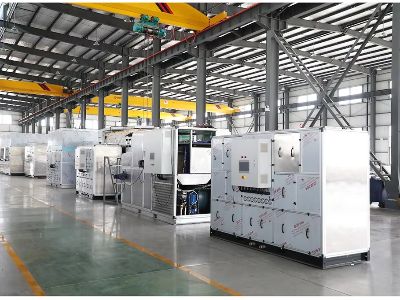
Low-Temperature Dryers for Efficient Dewatered Sludge Processing
Low-temperature dryers are specialized machines designed to remove moisture from dewatered sludge. Dewatered sludge is commonly produced by wastewater treatment plants, sewage facilities, and industries that generate large amounts of wastewater. Although dewatering removes a significant amount of water, the remaining sludge can still be wet, heavy, and difficult to transport or manage. Low-temperature dryers provide an additional drying stage that reduces moisture while using controlled heat. BOEEP provides low-temperature drying solutions designed to support efficient sludge treatment and easier material handling. By operating at relatively low temperatures, these systems can help reduce energy consumption while maintaining controlled drying conditions. Properly dried sludge can be easier to store, transport, process, or dispose of according to applicable regulations.
What Are the Benefits of Low-Temperature Dryers for Dewatered Sludge?
Low-temperature dryers are designed to remove remaining moisture from dewatered sludge by using controlled warm air and evaporation. Instead of exposing sludge to extremely high temperatures, the drying process uses lower heat levels to gradually remove water. This approach can provide several benefits for wastewater treatment facilities and industrial operations. One important benefit is improved sludge handling. Dewatered sludge may still contain considerable moisture, making it heavy and difficult to move. Additional drying reduces the water content and can produce a more manageable material. This can make storage, transportation, and downstream processing more convenient. Moisture reduction can also help reduce sludge volume and weight. When excess water is removed, facilities may need less storage space and may be able to reduce the amount of material transported for disposal. This can contribute to lower transportation and handling costs, depending on the characteristics of the sludge and local disposal requirements.
Another advantage is controlled drying. Extremely high temperatures can affect the physical and chemical properties of certain sludge materials. Low-temperature wastewater sludge dewatering provide a more controlled environment that can be useful when maintaining the desired characteristics of the dried product is important. For applications where dried sludge may be further processed or reused, operators can select drying conditions according to the material and intended application. Energy efficiency is also an important consideration. Because the process does not rely on unnecessarily high temperatures, a well-designed low-temperature drying system can help manage energy consumption. Actual energy requirements depend on factors such as initial moisture content, feed rate, ambient conditions, target moisture level, and equipment design. BOEEP's low-temperature dryers are designed to support continuous sludge treatment while making operation and maintenance more manageable. Proper equipment selection can help facilities achieve stable drying performance without adding unnecessary complexity to their wastewater treatment process.
How Do Low-Temperature Dryers Help Reduce Energy Costs?
Energy consumption is one of the most important factors to consider when selecting sludge drying equipment. Traditional high-temperature drying processes can require substantial amounts of thermal energy because large quantities of water must be evaporated. Low-temperature dryers approach this challenge by using controlled heat and efficient air circulation to remove moisture from sludge. The drying temperature is an important part of the process. Instead of relying on extremely high temperatures, low-temperature systems operate within a controlled range suitable for the specific sludge application. This can help avoid unnecessary heating and may reduce energy demand when compared with less efficient drying approaches.
However, energy savings should not be determined by temperature alone. The total energy required to dry sludge depends on many factors, including how much water enters the dryer, the desired final moisture content, the amount of sludge being processed, and the efficiency of the heat-transfer and air-circulation systems. Heat recovery can further improve system efficiency. Some drying systems are designed to recover usable heat from exhaust air or other parts of the process and return it to the drying cycle. Reusing available heat can reduce the amount of new energy required to maintain the desired operating conditions.
Proper feeding and operation are also important. If sludge enters the dryer with inconsistent moisture content or the equipment is operated outside its recommended capacity, energy consumption can increase. Maintaining stable feed conditions and regularly monitoring operating parameters can therefore contribute to more efficient performance. For businesses purchasing low-temperature sludge dewatering unit wholesale, it is important to evaluate both the purchase price and long-term operating costs. A machine with efficient thermal management, reliable components, and appropriate capacity may provide better overall value than a cheaper system with high energy consumption. BOEEP focuses on drying solutions that support controlled operation and efficient sludge processing. By selecting equipment according to actual production requirements, facilities can work toward reducing unnecessary energy use while maintaining reliable drying performance.
What Features Should You Look for in Wholesale Low-Temperature Dryers?
Choosing suitable low-temperature dryers requires careful evaluation of capacity, temperature control, energy efficiency, maintenance, and overall system design. Different facilities produce different types and quantities of sludge, so the right dryer should be selected according to the actual application rather than based only on equipment size or purchase price. Capacity should be one of the first factors to consider. Facilities processing large quantities of dewatered sludge require equipment capable of handling the expected feed rate. Choosing insufficient capacity can create processing bottlenecks, while selecting equipment that is significantly oversized may increase the initial investment unnecessarily. Temperature control is equally important. A reliable dryer should provide stable and adjustable operating conditions so that operators can maintain the appropriate drying environment. Consistent temperature control helps prevent excessive heating and supports predictable moisture removal.
Energy efficiency should also be included in the evaluation. Buyers should ask about thermal efficiency, heat recovery options, air circulation, insulation, and expected energy consumption under representative operating conditions. Comparing these factors can provide a more realistic understanding of long-term operating expenses. Ease of maintenance is another important consideration. Components such as filters, belts, fans, heat exchangers, sensors, and other moving parts may require regular inspection or cleaning. A practical equipment design should provide convenient access for routine maintenance so that unnecessary downtime can be avoided. Automation can also improve operating convenience. Modern low-temperature sewage sludge dewatering may include temperature monitoring, moisture control, alarms, and other process-management functions. These features can help operators monitor the drying process and respond more quickly when operating conditions change.
The characteristics of the sludge should never be overlooked. Industrial sludge, municipal sludge, and other wastewater treatment residues can have different moisture levels and physical properties. Before purchasing a dryer, buyers should provide the manufacturer with information about the sludge type, feed moisture, processing capacity, target moisture level, and intended use of the dried material.
Technical support and spare-parts availability are also valuable for wholesale buyers. Installation assistance, operator guidance, maintenance support, and access to replacement components can help maintain equipment performance over time. BOEEP provides low-temperature dryers for sludge treatment applications and can help buyers evaluate equipment requirements according to their specific processing conditions. A detailed technical assessment before purchase can help ensure that the selected system provides suitable capacity, performance, and long-term value.
How Do Low-Temperature Dryers Support Environmental Compliance and Sludge Disposal?
Proper sludge management is an important environmental responsibility for wastewater treatment facilities and industries. Sludge that contains excessive moisture can be difficult and expensive to transport, store, and dispose of. Low-temperature dryers can help by reducing moisture content and producing a more manageable material. One major benefit is reduced weight. Removing water from sludge decreases the amount of material that needs to be transported. This can help facilities manage transportation requirements more efficiently and may reduce associated costs. The exact savings depend on the original moisture content, final moisture level, transportation distance, and disposal method.
Drying can also improve storage and handling. Wet sludge may create unpleasant odors, leakage, and difficult working conditions if it is not properly managed. Producing a drier material can make storage areas easier to maintain and can simplify subsequent handling processes.
Another potential benefit is the possibility of further utilization. Depending on its composition and applicable environmental regulations, properly treated and dried sludge may be suitable for additional processing or beneficial use. Some materials may be considered for applications such as soil-related products or fuel-related processes, but suitability must always be confirmed through testing and compliance with local regulations.
Energy efficiency is also connected to environmental performance. A drying system that uses energy effectively can help facilities manage their overall energy consumption. Low-temperature dryers can support this goal through controlled heating and, where applicable, heat recovery technologies.
Regulatory compliance should remain a central consideration when designing a sludge treatment process. Different jurisdictions may have requirements concerning moisture content, pathogens, contaminants, odor, disposal, transportation, and beneficial reuse. Drying equipment should therefore be selected as part of a complete sludge management strategy rather than as an isolated solution.
When purchasing low-temperature dryers wholesale, buyers should also consider supplier reliability, equipment quality, technical assistance, warranty coverage, and after-sales service. Comparing these factors can help businesses select a system that is suitable for both current requirements and future treatment needs. BOEEP's low-temperature dryers provide a practical option for facilities looking to improve sludge drying and handling. With appropriate equipment selection, process control, and regular maintenance, low-temperature drying can help wastewater treatment operations reduce moisture, improve material management, and support more efficient sludge processing.