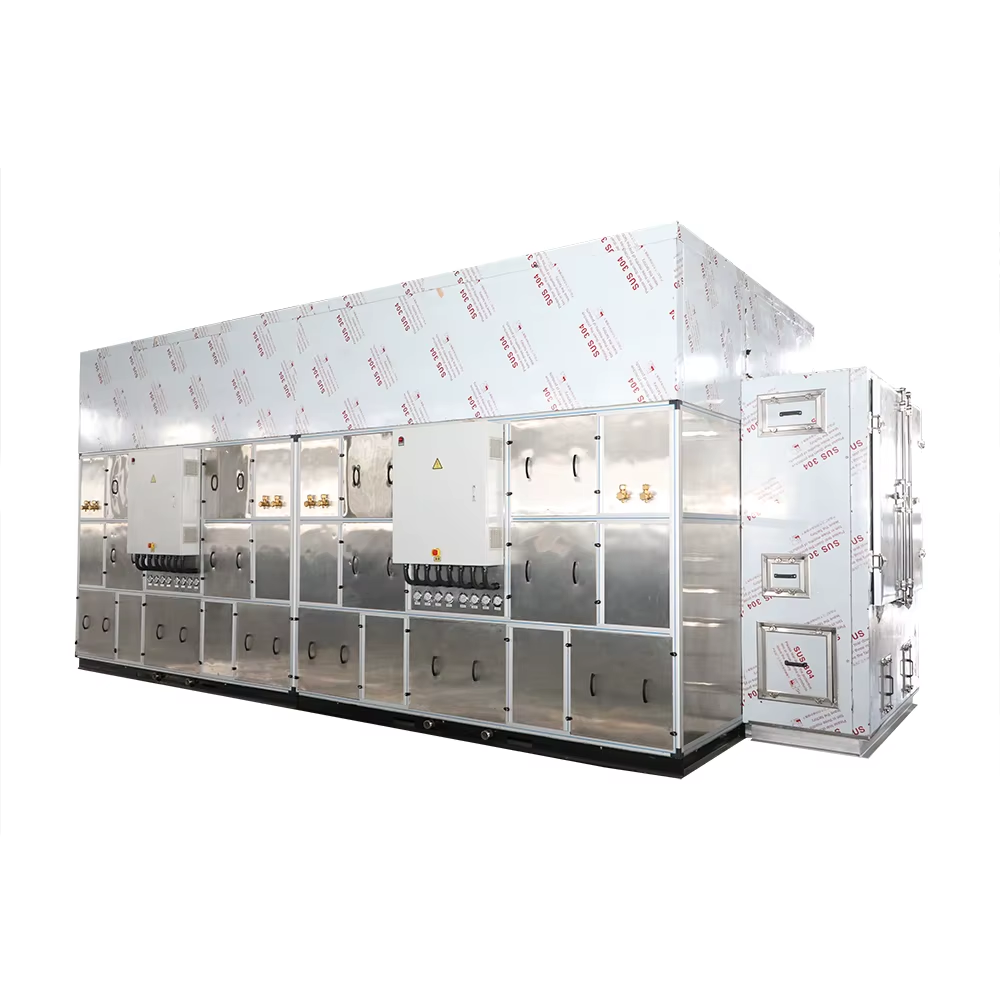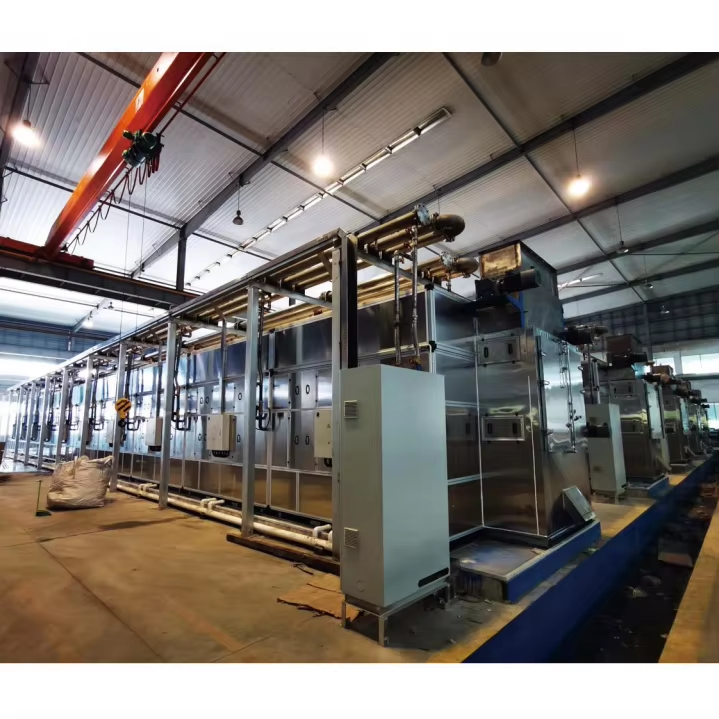
Biosolids drying systems play an important role in managing waste from our cities. When we flush toilets or wash our clothes, we create wastewater. This wastewater needs to be cleaned before it goes back into the environment. After it is cleaned, what’s left is called biosolids. These biosolids can be used in many ways, like helping plants grow or making energy. To ensure these biosolids are safe and useful, drying systems are used. BOEEP makes these drying systems to help cities manage their waste better. Our systems help reduce the weight of biosolids, making them easier to transport and use.
Advanced biosolids drying sludge systems offer many benefits that make waste management easier and more effective. One big advantage is that they reduce the volume of biosolids. When biosolids are dried, they weigh less. This means less truck space is needed to transport them. Transporting less material saves money and decreases greenhouse gas emissions. Reduced weight also means that if the biosolids are used as fertilizer, they are easier to spread over fields. Another benefit is that drying can kill harmful bacteria and pathogens. This makes the biosolids safer for use in agriculture. When treated properly, they can be used to enrich soil without posing health risks. Advanced systems are also energy-efficient. They often use heat recovery methods to save energy. This means that they can operate using less power, which is good for both the environment and the budget. BOEEP’s systems are designed with this in mind, ensuring that they help cities save money while being eco-friendly. Furthermore, dried biosolids can be turned into energy through combustion or other methods. This not only helps with waste management but also provides an extra source of energy. Lastly, advanced drying systems improve the overall quality of the biosolids, making them more valuable for various applications. They can be used in landscaping, agriculture, or even as a renewable energy source.
Choosing the right biosolids drying system is important for cities and companies that manage waste. First, you should think about the amount of biosolids you need to treat. Different systems can handle different amounts, so knowing your needs helps narrow down the choices. If you have a small operation, a smaller system might be right for you. On the other hand, larger cities might need bigger systems that can process more biosolids quickly. Next, consider the drying method. Some systems use heat, while others may use air or other methods. Each method has its own pros and cons. For example, heat drying is fast but can use more energy, while air drying may take longer but is often more energy-efficient. It's also important to look at the cost. While some systems may be cheaper upfront, consider the long-term costs, like energy and maintenance. BOEEP offers a range of options that can fit different budgets and needs. You should also think about where the dried biosolids will go. Will they be used in agriculture, landscaping, or to create energy? Knowing this can help you choose a system that produces the right quality of dried biosolids. Finally, consider the support and service that comes with the system. BOEEP provides excellent customer support, helping you with installation and maintenance. This can make a big difference in ensuring your system runs smoothly for years to come. Choosing the right biosolids sludge drying machine is about finding the one that fits your specific situation best.
When looking for reliable wholesale suppliers of biosolids drying equipment, it’s important to know where to start. One good place to begin is by searching online. Many companies, like BOEEP, have websites that showcase their products and services. You can find detailed information about different types of biosolids drying systems, including how they work and their benefits. It is also helpful to read reviews from other customers. These reviews can tell you if a supplier is trustworthy and if their products are good quality. You may also want to check out forums or groups where people discuss biosolids drying equipment. Here, you can ask questions and get recommendations from others who have experience in this area. Sometimes, suppliers also attend trade shows or industry events. Attending these events can give you a chance to see the equipment in person and talk directly to the suppliers. This can help you understand more about how the systems operate and what you might need for your own projects. You can also ask the suppliers about their warranties and customer support. Good suppliers, like BOEEP, usually offer strong support after the sale. This means they can help you if you have any problems with the equipment later on. Building a relationship with your supplier can also be beneficial. If you need more parts or different equipment in the future, having a reliable supplier can make the process much easier. Overall, finding a good wholesale supplier for biosolids sludge drying technology equipment involves doing research, reading reviews, and possibly visiting trade shows. By taking these steps, you can ensure that you find a supplier that meets your needs.
Common issues can arise when using biosolids drying systems, but many of these problems can be solved with some basic knowledge. One of the most frequent issues is the buildup of material in the equipment. This can happen if the biosolids are not dried properly or if the system is not maintained. To avoid this problem, it’s essential to follow the manufacturer’s instructions for operation and maintenance. Regular cleaning and inspection of the equipment can help prevent blockages and ensure everything is running smoothly. Another common issue is inconsistent drying. Sometimes, the biosolids may not dry evenly, which can lead to problems with quality. To fix this, operators should monitor the drying process closely and make adjustments as needed. This might involve changing the temperature or airflow in the system. It's also important to use the right type of biosolids. Different materials may require different drying approaches, so understanding the specific needs of your biosolids is key. If you notice that the system is not working as it should, it’s a good idea to contact your supplier, like BOEEP, for help. They can provide guidance and troubleshooting tips to resolve any issues. Lastly, energy costs can be a concern with biosolids solar sludge drying system. To address this, operators can look for energy-efficient models or consider ways to use waste heat from other processes. By being proactive and addressing these common issues, users can ensure their biosolids drying systems work effectively and efficiently.
From initial consultation to post-installation services, BOEEP is dedicated to providing seamless customer support. Our expert team offers guidance on installation, training on operation, and fast, efficient maintenance services, including remote diagnostics. With a focus on reliability and responsiveness, we ensure that our clients receive full support throughout the lifecycle of our products.
At BOEEP, every piece of equipment is certified to international standards, including CE, SGS, and ISO9001, ensuring superior quality and reliability. Built with premium materials and advanced manufacturing techniques, our products are designed to perform consistently under demanding conditions, delivering durability and efficiency while minimizing operational risks and maintenance costs.
BOEEP prioritizes long-term value for our clients by offering energy-efficient, high-performance equipment designed to lower operational and maintenance costs. Our solutions strike the perfect balance between competitive pricing and premium quality, delivering unmatched cost-effectiveness. We also provide flexible procurement options tailored to meet varied client budgets and requirements.
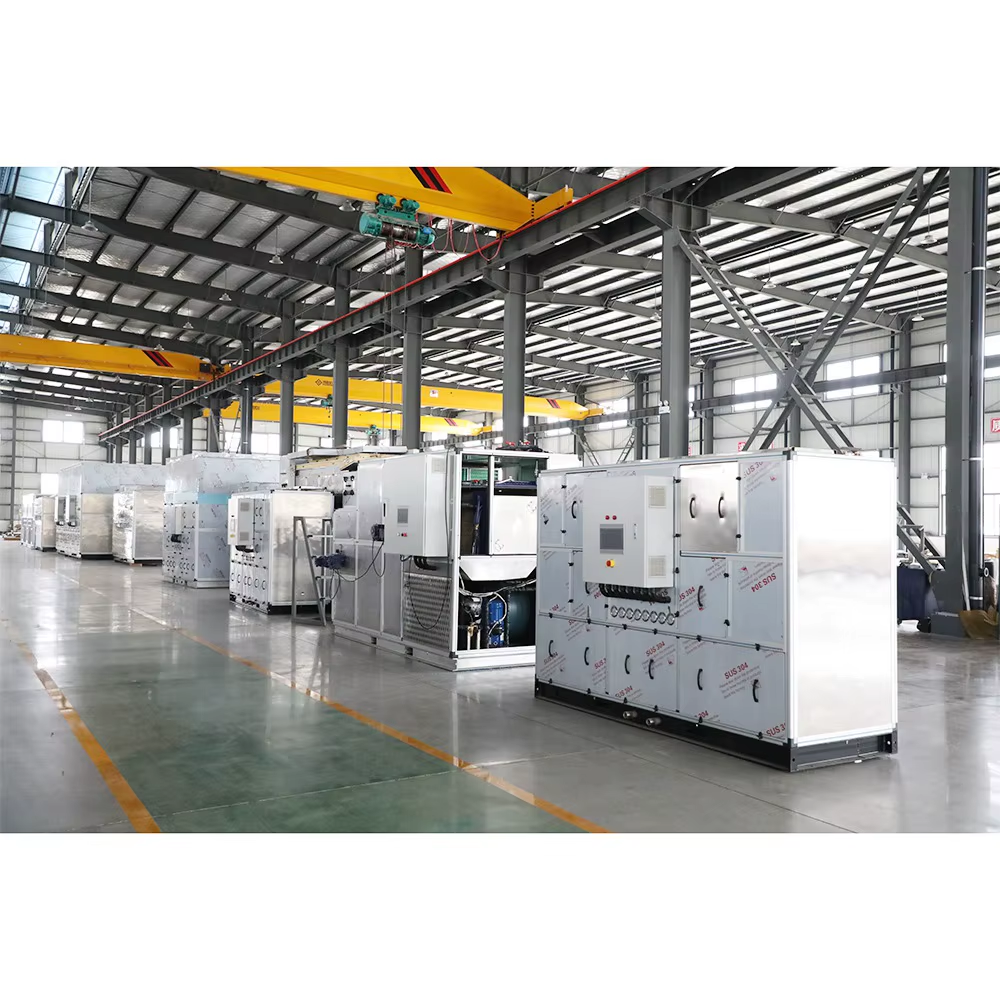
With a 22,000-square-meter, state-of-the-art manufacturing facility, BOEEP has the capacity to produce over 2,000 units annually. This extensive infrastructure allows us to efficiently fulfill orders, ensuring timely delivery even for large-scale or urgent projects. Our production capabilities are a testament to our reliability as a partner in delivering results.
 EN
EN