 EN
EN

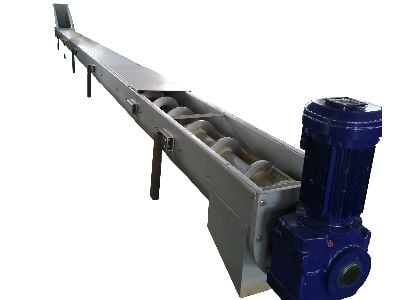
Screw conveyors are special machines that help move materials in many industries, especially in treatment plants. These plants take care of waste and water, and one important job is to handle dewatered sludge. Dewatered sludge is what’s left after water is removed from waste. It can be thick and heavy, making it hard to move. This is where screw conveyors come in. They are made to transport this sludge easily from one place to another in the plant. BOEEP makes screw conveyors that are strong and reliable, helping treatment plants do their jobs better.
What Makes Screw Conveyors Ideal for Dewatered Sludge Handling?
Screw conveyors are perfect for moving dewatered sludge for several reasons. First, they have a simple design that makes them easy to use and maintain. They consist of a long tube with a rotating screw inside. This screw turns and pushes the sludge forward. It’s like a giant corkscrew moving things along. This design helps to handle the thick consistency of dewatered sludge without clogging. They work well in tight spaces, which is important in treatment plants where there is not much room. Screw conveyors can also be installed at different angles, making them flexible for different setups.
Another reason they are great for this job is their ability to handle large amounts of material. Treatment plants often deal with a lot of sludge, and screw conveyors can move a big volume at once. They can be made in different sizes to fit the needs of the plant. BOEEP offers various options, making it easier for plants to choose the right size and type. Also, screw conveyors are durable. They are made from strong materials that can last a long time, even when dealing with harsh waste materials. This means less downtime for repairs, which is a big plus for busy treatment plants.
Screw conveyors also help keep the environment clean. By moving sludge efficiently, they help ensure that waste is processed quickly and correctly. This is essential for keeping water safe and clean for everyone. The design of screw conveyor reduces spills and leaks, which is good for the environment. Plus, they are energy-efficient, using less power to move materials compared to other types of conveyors. Overall, screw conveyors are a smart choice for moving dewatered sludge in treatment plants.
Common Usage Issues with Screw Conveyors in Sludge Applications
Even though screw conveyors are very useful, there can be some problems when using them in sludge applications. One common issue is clogging. Dewatered sludge can be thick and sticky, and if the screw conveyor isn’t working properly, it might get stuck. This can cause delays and require workers to clear the blockage, which takes time and effort. It’s important for treatment plants to regularly check and maintain the conveyors to avoid this issue.
Another problem can be wear and tear. The heavy sludge can wear down the screw over time, leading to the need for repairs. If a screw conveyor is not made from high-quality materials, it might break down more quickly. BOEEP makes sure to use strong materials to help prevent this, but regular checks are still needed. Sometimes, if the sludge has sharp objects in it, it can damage the conveyor. Workers need to be careful to remove any foreign materials before the sludge gets to the conveyor.
Temperature can also affect how well a screw conveyor works. Dewatered sludge can change in consistency based on temperature. If it gets too cold, it may harden and make it harder for the conveyor to move. On the other hand, if it’s too warm, it might become too runny. Treatment plants need to monitor the temperature to ensure the sludge stays at the right consistency for the conveyor to work effectively.
Lastly, operators need to be trained to use screw auger conveyor properly. If they don’t know how to operate or maintain the equipment, it can lead to mistakes that cause problems. Providing good training helps ensure that the conveyors run smoothly and efficiently. BOEEP emphasizes the importance of understanding how to use and care for screw conveyors, ensuring that treatment plants can get the most out of their equipment.
What Are the Latest Innovations in Screw Conveyor Technology?
Screw conveyors are important machines used in treatment plants to move materials like dewatered sludge. Dewatered sludge is the leftover material after water has been removed from wastewater. In recent years, there have been some exciting new ideas and improvements in screw conveyor technology. One big change is the use of better materials that make the screw conveyors last longer and work better. For example, some screw conveyors are now made with special coatings that help prevent rust and make cleaning easier. This means they can keep moving sludge without breaking down. Another cool innovation is the use of smart technology. Some screw conveyors now have sensors that can monitor how well they are working. These sensors can tell if the conveyor is blocked or if it is moving too slowly. This information can be sent to a computer or a phone, so workers can fix problems quickly. Also, there are new designs that make the screw conveyors quieter. This is important because many treatment plants operate near homes, and people do not want to hear loud machines. Companies like BOEEP are leading the way by creating screw conveyors that are not only efficient but also eco-friendly. These innovations help treatment plants run smoother and make it easier to manage waste.
Where to Source Wholesale Screw Conveyors for Cost Savings?
When it comes to buying screw conveyors, finding the right place to purchase them is important, especially if you want to save money. Buying in bulk, or wholesale, is a great way to get better prices. Many companies and suppliers sell screw conveyors at wholesale prices. One of the best ways to find these suppliers is by searching online. Websites that focus on industrial equipment often have listings for screw conveyors, including those made by BOEEP. It is also a good idea to check out local suppliers in your area. Visiting local suppliers allows you to see the equipment first-hand and ask questions about how they work. Sometimes, suppliers offer discounts if you buy more than one conveyor at a time. Joining trade shows is another smart way to find good deals. At these events, you can meet different manufacturers and ask them about their products and prices. Many companies provide special offers during these shows. When you are looking for wholesale screw conveyor manufacturers, remember to compare prices and features. It’s also good to read reviews from other customers to make sure you are getting a reliable product. By doing some research and shopping around, you can find the best deals on screw conveyors and save money for your treatment plant.
What Are the Key Features to Look for in Screw Conveyors for Sludge?
When choosing screw conveyors for moving dewatered sludge, it’s important to know what features to look for. First, you want to make sure the conveyor is made from strong materials. Since sludge can be heavy and rough, the conveyor should be built to handle that. Look for screw conveyors made from stainless steel or other durable materials that resist wear and tear. Another important feature is the size of the conveyor. The diameter and length of the screw conveyor should fit the needs of your treatment plant. A larger diameter can move more sludge at once, while a longer conveyor can transport sludge over greater distances. You should also consider the design of the screw. Some screws have special shapes that help move sludge more efficiently, reducing jams and blockages. Additionally, think about the power source. Some screw conveyors use electric motors, while others may use hydraulic systems. Make sure the power source fits well with your plant's energy needs. Finally, check if the conveyor has features that make it easy to clean and maintain. Regular cleaning is important to keep the conveyor working well. BOEEP screw conveyors often come with easy-access panels that make cleaning simple. By focusing on these key features, you can choose the right screw conveyor to help move dewatered sludge effectively and efficiently in your treatment plant.
Table of Contents
- What Makes Screw Conveyors Ideal for Dewatered Sludge Handling?
- Common Usage Issues with Screw Conveyors in Sludge Applications
- What Are the Latest Innovations in Screw Conveyor Technology?
- Where to Source Wholesale Screw Conveyors for Cost Savings?
- What Are the Key Features to Look for in Screw Conveyors for Sludge?