 EN
EN

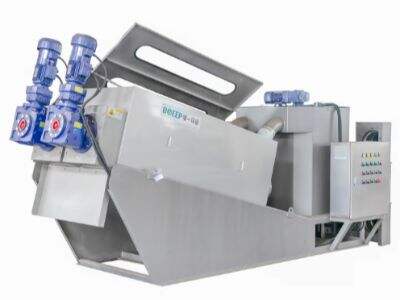
Dewatering is a key process in lots of industries, and screw press dehydrators are one tool they use for this. These machines help get water out from different stuff, so it’s easier to deal with and process. BOEEP makes good quality screw press dehydrators that works well in various situations. But what make them perform better? Some factors can affect how good these machines remove water from materials. Knowing these factors is important to get the best from screw press dehydrator.
To improve screw press dehydrators, there are several steps you should follow.
First off, pick the right machine for your task, because different materials need different kinds of dehydrators. For instance, some are better for thick stuff, others for more liquid ones. Next, tweaking the settings can change a lot. That includes adjusting pressure and speed the machine runs at. Finding that balance is really crucial. And regular upkeep is key too. Keeping it clean and checking for damage helps it run smooth. The temperature of the material matter also; warmer ones might dewater quicker than cold. In addition, using chemicals or special add-ons can boost the process. These helps break the material down, making water removal easier. So, by watching these, users can make BOEEP screw press dehydrators work optimal.
Material properties has a big impact on how screw press dehydrators perform. Various materials act different when removing water. Like, thicker ones with fibers, such as some food waste, hold water tighter than thin materials. If it’s too wet, the process slows down. Particle size counts too. Smaller bits usually dewater easier than big ones. pH level is another thing; if the material too acidic or alkaline, it may not dewater well. Moisture amount is key factor. Too much water makes it hard for the screw press to get it all out. Understanding these help users pick right settings for their stuff. With this, they can boost efficiency of BOEEP screw press dehydrators and get better outcomes.
What Special Tech in Screw Press Improve Dewatering?
Screw press tech has advanced a lot, especially for getting water from waste. One main change is using tougher, longer-lasting materials. These can handle hard work without breaking. So, the screw press runs longer and better. Another cool thing is the screw designs. New one’s squeeze materials harder, pulling out more water. That’s why less water means lighter weight, cheaper to move the waste.
Many screw presses have improved controls and sensors now. These tools watch how the machine does. For example, if it’s not pressing enough, sensors alert the operator to adjust. This keeps it at peak all time. Some also got self-cleaning systems built in. So, after a job, it cleans itself, saving time and keeping smooth.
In addition, adjusting screw speed is a new feature. Changing how fast it turns can remove more water. This lets it handle from thick sludge to thinner waste. Finally, BOEEP leads in these changes, offering quality screw press dehydrators that help businesses do better. These updates make sludge screw press more effective, saving money and resources on waste handling.
How to Pick the Right Screw Press Dehydrator for You?
Picking the right screw press dehydrator is vital for good results. First, think about your material type. Stuff like food waste or sludge has varying water levels. Knowing that helps choose a machine that handles it. For thick materials, you need stronger design to squeeze water out well.
Next, look at your operation size. Small business might do with a compact screw press. But for big waste amounts, a larger one processes more at once. BOEEP has different sizes, so you find one that fits your needs perfect.
Ease of use matters too. Some machines are harder to run than others. You want user-friendly one, so staff learn quick. Also, maintenance is important. Easier to clean and fix saves time and cash long term.
Last, think cost. Fit your budget, but consider future savings. Efficient one costs more at start, but saves on water removal and upkeep later. BOEEP got options for budgets, so you get the right dehydrator without spending too much.
How to Fix Common Problems in Screw Press Dewatering?
Screw press systems sometimes has issues that mess up performance. First, spot the signs. If not removing enough water, check the feed material. Too wet or thick might not work well. Adjust the feed or mix with drier stuff to fix.
Another issue is jamming. Happens if big pieces get in that the screw can’t handle. Operators should check feed regular, remove large items before. Upkeep like cleaning and wear checks prevents jams too.
If making odd noises or vibrating extra, could be mechanical problem. Check motor and bearings to see if ok. If off, call a tech for look.
Finally, if output not great, tweak settings. Change screw speed or pressure often improves. BOEEP machines include manuals with tips for fixing, helping operators solve fast. Stay on top and check regular, keeps your screw press running good and efficient.