 EN
EN

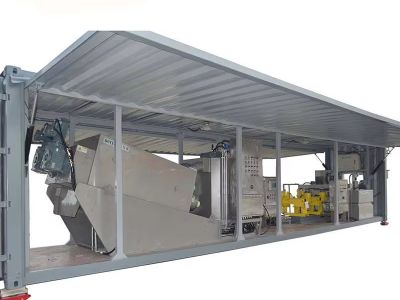
Sludge Dehydrators Improving Industrial Wastewater Management
Sludge dehydrators are specialized machines that help industries manage wastewater more efficiently. During manufacturing and other industrial processes, wastewater can contain solids and other unwanted materials that form sludge. If this sludge is not handled properly, it can create disposal challenges and increase operating costs. A sludge dehydrator removes a significant amount of water from the sludge, making the remaining material easier to transport, process, and dispose of. Companies such as BOEEP provide wastewater treatment equipment designed to support industries in reducing sludge volume, improving efficiency, and managing waste more effectively.
How Do Sludge Dehydrators Reduce Waste and Save Costs?
Sludge dehydrators can make wastewater management more efficient by separating water from solid materials. Industrial sludge can contain a large amount of water, which increases its weight and volume. Removing this water creates a drier material that is generally easier and less expensive to handle.
For example, if a facility generates 100 tons of wet sludge and a dewatering process removes a substantial portion of its water, the amount of material requiring transportation and disposal can be significantly reduced. The actual reduction depends on the characteristics of the sludge and the equipment used, but the basic principle remains the same: less water means less material to transport. Lower sludge volume can help reduce transportation requirements. A facility may need fewer truckloads to move the dewatered material, potentially reducing fuel use, labor requirements, and disposal expenses. sludge dehydrator can also improve the overall efficiency of wastewater treatment operations. Instead of handling large quantities of wet sludge, operators can work with a more concentrated solid material. This can simplify subsequent treatment, storage, or disposal processes.
Energy consumption is another factor businesses should consider. Efficient equipment can help control electricity use during continuous industrial operations. When evaluating a sludge dehydrator, companies should compare its processing capacity, energy requirements, maintenance needs, and expected operating costs. In some applications, dewatered sludge may have potential for beneficial reuse, depending on its composition and applicable regulations. Certain treated materials may be suitable for uses such as composting, soil-related applications, or construction-related processes. However, reuse should only be considered after appropriate testing and regulatory evaluation. By reducing sludge volume and improving handling, sludge dehydrators can support both economic and environmental goals. BOEEP provides equipment designed to help industries improve wastewater treatment and make sludge management more practical.
Common Usage Issues with Sludge Dehydrators and How to Solve Them
Although sludge dehydrators can improve wastewater treatment, improper operation can reduce their performance. One common issue is clogging. Sludge with excessive solids, large particles, or unsuitable characteristics can interfere with the equipment. Proper pretreatment can help reduce this problem. Operators should understand the characteristics of the incoming sludge and ensure that unsuitable particles are removed or controlled before the material enters the dehydrator. Maintenance is another important consideration. Sludge treatment equipment operates in demanding environments, so regular cleaning and inspection are necessary. Accumulated material can affect performance and increase wear on components. Operators should establish a maintenance schedule based on the manufacturer's recommendations and actual operating conditions. Regular inspections can help identify worn components or developing problems before they result in unexpected downtime. Incorrect operating conditions can also affect dewatering performance. Factors such as sludge concentration, flow rate, chemical conditioning, and equipment settings can influence the final moisture content. Operators should monitor these factors and adjust the system according to the manufacturer's operating guidelines. Staff training is equally important. Workers should understand how to start, operate, clean, and shut down the equipment correctly. They should also know how to recognize warning signs such as unusual noise, vibration, reduced throughput, or changes in dewatering performance. Temperature and sludge characteristics may also affect treatment results in certain applications. Rather than assuming one operating condition will work for every facility, operators should evaluate their specific wastewater characteristics and follow appropriate equipment guidance. With proper maintenance, training, monitoring, and operating procedures, industries can reduce common problems and keep their sludge dehydrator system working effectively.
What Makes a Sludge Dehydrator Ideal for Industrial Wastewater Treatment?
Selecting an appropriate sludge dehydrator requires more than simply choosing a machine with a high processing capacity. The equipment should match the characteristics of the wastewater, the facility's operating requirements, and the desired treatment results. Efficiency is one of the first factors to consider. An effective dehydrator should remove an appropriate amount of water while processing the required sludge volume. Higher dewatering efficiency can reduce the quantity of material that must be transported or further processed. Reliability is equally important. Industrial wastewater treatment systems may operate for long periods, so equipment needs to be designed for demanding conditions. Durable components and proper maintenance can help reduce unexpected interruptions. Ease of operation is another advantage. Equipment with understandable controls and straightforward maintenance procedures can make it easier for operators to manage daily operations. This can also reduce the amount of specialized training required. The equipment's footprint should also be considered. Industrial facilities often have limited space, so buyers should determine whether the dehydrator can be installed comfortably while still leaving enough room for maintenance and safe operation. Energy consumption should be reviewed as part of the total operating cost. A machine that provides good dewatering performance while controlling energy use may offer better long-term value than equipment selected solely on its initial purchase price. Environmental performance is another consideration. Effective sludge dewatering can reduce the volume of waste requiring transportation and disposal. This may help facilities improve resource efficiency and reduce some of the environmental impacts associated with waste handling. BOEEP focuses on wastewater treatment equipment designed to support industrial applications. Before purchasing a system, businesses should evaluate technical specifications, operating requirements, maintenance needs, and available technical support to ensure that the equipment is appropriate for their facility.
How to Choose the Right Sludge Dehydrator for Your Application?
Choosing the right sludge dehydrator starts with understanding the wastewater being treated. Different industries can produce very different types of sludge. Food processing facilities, chemical plants, municipal treatment facilities, and manufacturing operations may all have different sludge characteristics. The first step is to determine the sludge type and composition. Important factors can include solids concentration, particle characteristics, organic content, viscosity, and other properties that may affect dewatering performance. Next, consider processing capacity. A small facility with limited wastewater production may require a different system from a large industrial plant operating continuously. Choosing equipment with insufficient capacity can create bottlenecks, while significantly oversized equipment may increase unnecessary investment and operating costs.
Available installation space is another important factor. Measure the proposed installation area and consider not only the equipment itself but also access for operation, cleaning, inspection, and maintenance. Budget should be evaluated from a long-term perspective. The initial purchase price is only one part of the total cost. Buyers should also consider electricity consumption, maintenance, replacement parts, labor, chemicals where applicable, and sludge disposal costs. Technical support is also valuable. Industrial wastewater treatment equipment may require installation assistance, commissioning, troubleshooting, and ongoing maintenance. A supplier that provides technical support can make equipment ownership easier. BOEEP offers different wastewater treatment solutions for industrial applications. Buyers should discuss their wastewater characteristics, required capacity, installation conditions, and treatment objectives with the supplier before selecting a specific model.
Innovations and Future Trends in Sludge Dehydrator Technology
Sludge treatment technology continues to develop as industries look for more efficient and automated wastewater management solutions. Automation is one of the major areas of development. Modern systems can incorporate automated controls that reduce the amount of manual intervention required during normal operation. Automated monitoring can help operators maintain more consistent operating conditions while allowing employees to focus on other responsibilities. Energy efficiency is another important area of innovation. Manufacturers are working to develop equipment that can provide effective dewatering while controlling energy consumption. For facilities that operate treatment equipment continuously, even modest efficiency improvements can contribute to meaningful long-term savings. Advanced materials are also being used to improve equipment durability. Wastewater treatment environments can expose components to moisture, chemicals, abrasion, and other demanding conditions. More durable materials can help extend service life and reduce maintenance requirements. Smart monitoring technology is becoming increasingly useful as well. Sensors and monitoring systems can track operating conditions and identify unusual changes. Early detection can allow operators to investigate potential problems before they lead to major equipment failures.
Data-based operation can also help facilities understand how their equipment performs over time. By monitoring factors such as throughput, energy consumption, operating conditions, and maintenance requirements, businesses can make better decisions about system optimization. BOEEP continues to focus on wastewater treatment technology and equipment development. As industrial facilities seek more efficient, reliable, and automated sludge management solutions, modern sludge dewatering can play an important role in reducing waste, controlling operating costs, and improving overall wastewater treatment performance.
Table of Contents
- How Do Sludge Dehydrators Reduce Waste and Save Costs?
- Common Usage Issues with Sludge Dehydrators and How to Solve Them
- What Makes a Sludge Dehydrator Ideal for Industrial Wastewater Treatment?
- How to Choose the Right Sludge Dehydrator for Your Application?
- Innovations and Future Trends in Sludge Dehydrator Technology