 EN

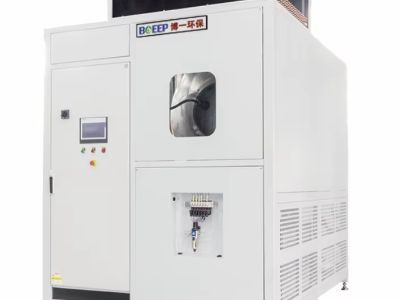
Low-temperature dryer systems are special machines that help reduce moisture in sludge. Sludge is a thick, wet material that we find in places like water treatment plants. When we clean water, a lot of sludge is produced, and it can be heavy and hard to manage. If we can dry this sludge, it becomes lighter and easier to handle. BOEEP has been working on these dryer systems to make them more efficient and helpful. The way these systems work is by using lower temperatures to remove moisture without damaging the sludge. This method not only saves energy but also helps in making the sludge safer and easier to use. The dried sludge can even be used as fertilizer, which is good for the environment.
How Low-Temperature Dryer Systems Enhance Sludge Management Efficiency?
Low-temperature dryer systems are great for making sludge management easier. When we dry sludge using these systems, we can get rid of a lot of water without using too much energy. Traditional methods often use high heat, which can burn the sludge and make it less useful. But with BOEEP’s dryer systems, the lower temperatures keep the sludge intact while removing moisture. This means that we save energy and produce less pollution. Imagine trying to dry clothes on a hot day versus a cool day; the cool day takes longer, but it’s easier on the fabric. The same goes for sludge.
Moreover, these systems can run continuously, which means they can work all day and night without stopping. This is important for places that produce a lot of sludge, like sewage treatment plants. The more sludge we can dry, the less we have to throw away, and that saves money. For example, if a plant can dry 10 tons of sludge a day, they can reduce their waste by a lot! Also, dried sludge is lighter, which makes it cheaper to transport. This means that companies can save on transportation costs and help the environment by reducing their carbon footprint.
Another great thing about these systems is that they can be adjusted to fit different needs. Whether a plant has a big or small amount of sludge, BOEEP’s systems can be set to work just right. This flexibility is helpful because not all places produce the same amount of sludge. Some plants might have a lot one day and less the next. Low-temperature sludge dryer systems can adapt to these changes easily. In short, BOEEP’s low-temperature dryer systems make sludge management much better by saving energy, reducing waste, and being flexible for different needs.
Common Usage Issues with Low-Temperature Dryer Systems and How to Overcome Them
While low-temperature dryer systems are effective, they can have some problems too. One common issue is that some users might not know how to operate the machines correctly. If they set the temperature too low, the drying process takes too long. This can lead to frustration and wasted time. To fix this, training is important. Operators should learn how to use the systems properly. BOEEP offers training sessions to help users understand their machines better. Knowledge can make a big difference in how efficiently the systems work.
Another issue is maintenance. Like any machine, low-temperature dryers need care. If they are not cleaned regularly, they can become less efficient. Dust and sludge can build up, making the dryer work harder and use more energy. To prevent this, regular maintenance checks should be scheduled. BOEEP recommends checking the systems every few months to ensure they are running smoothly. This can save money in the long run because a well-maintained dryer will work better and last longer.
Some users may also worry about the initial cost of these systems. They might think that investing in a low-temperaturesludge dryer machine is too expensive. However, when we look at the long-term savings, it becomes clear that these systems can save money. By reducing energy use and waste disposal costs, they can pay for themselves over time. BOEEP provides detailed information and case studies to show how these systems can be a smart investment. Lastly, if users have any questions or face challenges, BOEEP’s customer support is always ready to help. They can guide users through any difficulties they face, making the process smoother and more efficient.
In summary, low-temperature dryer systems from BOEEP are a smart choice for managing sludge. They help reduce moisture effectively while being energy-efficient. Users may face some challenges, but with proper training and maintenance, these issues can be handled easily. By investing in these systems, companies can not only save money but also contribute positively to the environment.
What Makes Low-Temperature Drying the Best Choice for Sludge Moisture Reduction?
Low-temperature drying is a great way to reduce moisture in sludge, which is waste left over from water treatment. When sludge has too much water, it can be heavy and hard to handle. This makes it expensive to transport and can cause problems if it is not treated properly. Low-temperature dryers, like those made by BOEEP, work at lower heat levels compared to other drying methods. This means they do not cook the sludge, which helps keep the good parts of the sludge safe.
Using low heat is important because high heat can destroy valuable nutrients in the sludge. These nutrients can be useful as fertilizers. By using lower temperatures, BOEEP dryers help keep these nutrients intact, allowing the sludge to be turned into a useful product instead of being thrown away. Additionally, low-temperature drying is more energy-efficient. This means it uses less electricity, which is better for the environment and saves money. Lower temperatures also help prevent harmful gases from being released into the air, making the process cleaner and safer. Furthermore, using low-temperature drying helps keep the smell of the sludge down. When sludge dries at high temperatures, it can release strong odors. BOEEP's low-temperature dryers help to keep the process more pleasant for everyone nearby. This makes low-temperature drying a smart choice for reducing moisture in sludge while being safe and efficient.
What Are the Benefits of Using Low-Temperature Dryer Systems for Sludge Treatment?
There are many benefits to using low-temperature dryer systems, especially those offered by BOEEP, for treating sludge. One of the biggest benefits is that they create less waste. With traditional methods, a lot of sludge can be left over after drying. However, with low-temperature systems, more of the sludge can be turned into a dry product that can be used. This means less waste goes to landfills, which is great for our planet. Another benefit is that the dried sludge can be used in many ways. For example, it can be used as fertilizer for gardens and farms, helping plants grow. This turns a problem into a solution.
Low-temperature dryer systems are also safer. They operate at lower temperatures, which means there is less risk of fires or explosions. This makes them a safer choice for treatment plants and workers. Additionally, these systems are easy to use. They require less maintenance than other drying methods, which saves time and money for the companies that operate them. This means that staff can focus on other important tasks rather than spending all their time fixing equipment. Moreover, low-temperature drying can help reduce the amount of harmful bacteria in sludge. When sludge is dried at low temperatures, many harmful microbes are killed, making the final product safer to handle. In summary, using BOEEP’s low-temperature sewage sludge dryer systems for sludge treatment offers many advantages, from reducing waste and creating useful products to ensuring safety and ease of use.
Common Misconceptions About Low-Temperature Dryer Systems and the Truth Behind Them
Many people have misconceptions about low-temperature dryer systems, especially when it comes to how effective they are. One common myth is that low-temperature drying is less effective than high-temperature drying. Some believe that because low-temperature systems use less heat, they cannot dry sludge properly. However, this is not true. BOEEP’s low-temperature dryers are designed to remove moisture efficiently. They use a special method that allows them to dry sludge well, even with lower heat. This means they can still produce dry sludge that is safe and useful.
Another misconception is that low-temperature systems take too long to dry sludge. Some people think that because they use lower temperatures, the drying process must take longer. While it is true that some drying processes can be slow, BOEEP’s systems are built to be fast and efficient. They use smart technology to speed up the process while keeping temperatures low. This helps save time without sacrificing quality.
Table of Contents
- How Low-Temperature Dryer Systems Enhance Sludge Management Efficiency?
- Common Usage Issues with Low-Temperature Dryer Systems and How to Overcome Them
- What Makes Low-Temperature Drying the Best Choice for Sludge Moisture Reduction?
- What Are the Benefits of Using Low-Temperature Dryer Systems for Sludge Treatment?
- Common Misconceptions About Low-Temperature Dryer Systems and the Truth Behind Them