 EN
EN

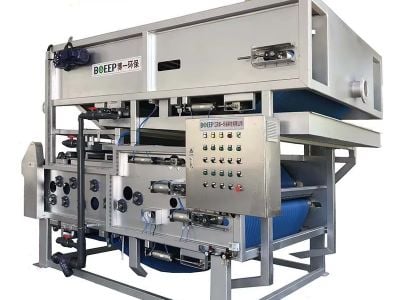
Belt Press Systems for Efficient Sludge Processing in Wastewater Treatment
Belt press systems are important machines used in wastewater treatment plants. They help to process sludge, which is the leftover material after cleaning dirty water. When water is treated, it often leaves behind solids and other materials that need to be removed. This is where belt press systems come in. They work by squeezing the water out of the sludge, making it easier to handle and dispose of. BOEEP specializes in making these systems. Their machines are designed to be efficient and reliable, helping plants reduce waste and save money. Understanding how these systems work can help us see why they are so valuable in keeping our water clean.
Where to Find the Best Belt Press Systems for Optimal Sludge Processing?
If you are looking for the best belt press systems, BOEEP is a great place to start. They offer a range of machines that are perfect for processing sludge. You can find their products on their website or contact them directly for more information. When choosing a belt press system, it’s important to consider the size of your wastewater plant and the amount of sludge you need to process. BOEEP systems come in different sizes, so you can find one that fits your needs. It’s also a good idea to read customer reviews and see what other users have to say about the machines. This can help you understand how well the systems perform in real-world situations. Additionally, ask about warranties and customer support. Having a reliable support team can make a big difference if you encounter any issues. Finally, consider visiting a trade show or industry event where BOEEP might showcase their products. This gives you the chance to see the machines up close and talk to experts who can answer your questions.
What Are the Key Advantages of Using Belt Press Systems in Wastewater Plants?
Using belt press systems in wastewater plants has many benefits. One major advantage is how they help save space. Instead of having large tanks to store sludge, belt presses can reduce the volume significantly. This means plants can manage their waste better and use their space more efficiently.
Another benefit is cost savings. By removing water from the sludge, the weight is reduced. This makes it cheaper to transport and dispose of the sludge. Less weight can lead to lower transportation costs, which is good for the environment and the plant’s budget.
Furthermore, BOEEP belt press systems are designed to be energy-efficient. They use less power while still doing a great job of squeezing out water. This helps plants save on energy bills, which is important for both the economy and the environment.
Finally, belt presses are known for their durability. They are built to last, which means less maintenance and fewer replacements over time. This reliability can lead to smooth operations, ensuring that the wastewater treatment process runs effectively. Overall, belt press systems play a key role in making wastewater treatment more efficient and cost-effective, helping keep our water clean.
When choosing a belt press system for your wastewater treatment needs, it is important to consider several factors to make the best choice. First, think about the amount of sludge you need to process. The size of the belt press should match the volume of sludge your plant produces every day. If you have a small plant, a smaller belt press may be enough. But larger plants need bigger machines to handle more sludge efficiently.
Next, consider the type of sludge you are dealing with. Some sludges are thicker or stickier than others, and this can affect how well a belt press works. Make sure to choose a system that can handle the specific type of sludge from your plant.
Another important factor is the moisture content of the sludge. If the sludge has a lot of water in it, you will want a belt press that can remove this water effectively. BOEEP offers different models that can handle various moisture levels, so it’s a good idea to explore what they have.
You should also think about the space you have in your plant. Some belt press machine take up more room than others, so make sure you have enough space for the machine you choose. Finally, consider the maintenance needs of the system. Some machines require more upkeep than others. With BOEEP, you can find systems that are designed for easy maintenance, which can save you time and money in the long run.
In summary, when selecting a belt press system, think about the size of your plant, the type and moisture content of the sludge, the space available, and the maintenance needs. Taking the time to consider these factors will help you choose the right system for your wastewater treatment process.
What Are Common Belt Press System Problems and Troubleshooting Tips?
Once you have chosen a belt press system, you may run into some problems along the way. It’s important to know some troubleshooting tips to help you fix any issues. First, if the belt press is not working as well as it should, check if it is getting enough power. Sometimes, machines don’t run well because of power issues. Make sure all connections are secure and that there are no blown fuses. Next, if you notice that the sludge isn’t being dewatered properly, it could be a problem with the belt. A worn-out or damaged belt can cause the machine to work poorly. Inspect the belt for any signs of wear and replace it if needed.
Another common problem is clogging. Sometimes, materials can get stuck in the system, preventing it from working correctly. If you notice a clog, turn off the machine and carefully remove any blockages. Regular cleaning and maintenance can help prevent clogs from happening in the first place.
If you are still having issues, consult the user manual for specific troubleshooting guidance. BOEEP systems often come with detailed manuals and customer support to help you solve problems quickly. Lastly, keeping a log of any issues can be helpful. Write down what the problem was, how you fixed it, and if it happens again. This can help you identify patterns and prevent future problems. Remember, taking care of your belt press dewatering system is important to keep it running smoothly and efficiently.
How Do Belt Press Systems Improve Environmental Sustainability?
Belt press systems play a vital role in making wastewater treatment more environmentally friendly. By effectively removing water from sludge, these systems help reduce the amount of waste that goes to landfills. When less sludge is sent to landfills, it means less pollution and better use of land. This is important for keeping our environment clean and safe. BOEEP belt press systems are designed to maximize the amount of water removed from sludge, making them an efficient choice for wastewater plants. Additionally, when sludge is treated properly, it can be turned into useful products, such as fertilizer. This not only benefits the environment but also helps recycle waste into something valuable.
Another way belt press manufacturers enhance sustainability is by saving energy. Efficient systems use less power, which means they have a smaller carbon footprint. By choosing a high-quality belt press like those from BOEEP, wastewater treatment plants can reduce their energy usage and contribute to a healthier planet. Furthermore, these systems help to comply with environmental regulations. Many areas have strict laws about how much waste can be disposed of, and using a belt press can help meet these requirements.
Belt press systems are important tools in wastewater treatment that help protect the environment. They reduce waste, recycle sludge, save energy, and help plants follow environmental rules. By investing in a good belt press system, like BOEEP’s, plants can make a positive impact on the environment while efficiently processing wastewater.