 EN
EN

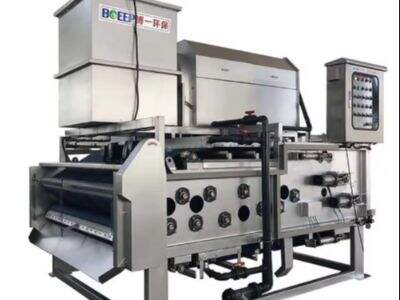
Belt filter presses plays a big role in helping industries handle water waste. These machines help remove water from sludges and slurries, turning them into dry cakes that are easier to manage. This process call dewatering. When companies make products, they often create waste, which can be wet and messy. The belt filter press make this waste much easier to deal with. BOEEP specialize in making these machines, and they ensure that industries can keep operations running smooth. With the right belt filter press, companies can save money, reduce waste, and protect the enviroment.
How Belt Filter Press Boosts Industrial Dewatering Efficiency
Belt filter presses are key tools for industries that deal with lots of water in waste. They work by pushing the waste through two belts that squeeze out the water. This squeezing action is powerful and help reduce the liquid in the waste. When liquid is removed, what’s left is a solid cake. This are much easier to store and dispose. For example, a food factory might have wet leftover materials. Using a belt filter press help them dry out this waste quick. The quicker they dry it, less space they need for storing. This mean they save on storage costs.
And moreover, these machines can work fast. Some belt filter presses process large amounts of waste in short time. This speed is great for busy factories where time is money. By using a belt filter press, a factory can boost its productivity. When the waste is managed good, it helps the whole production process. BOEEP’s belt filter presses are designed to be efficient and reliable. They can handle different types of waste, whether from food, chemicals, or other industries. This flexibility make them a great choice for many businesses.
Another benefit is that these machines help protect the enviroment. When water is removed from waste, it reduces the liquid that can pollute rivers and lakes. This is important because keeping water clean is vital for everyone. Companies using BOEEP’s machines can say they are helping the planet. By boosting dewatering efficiency, belt filter presses not only make business sense but also contribute to better world.
What to Consider When Picking a Belt Filter Press for Your Business
When picking a belt filter press, there are several things to think about. First, you need consider the type of waste your business produces. Not all belt filter presses work the same, so knowing your materials is key. For example, if you deal with thick sludge, you might need a press that can handle that. BOEEP offers different models to fit various needs.
Next, think about the size of the machine. If your factory produces lots of waste, you will want a larger press that can process more at once. On the other hand, smaller businesses might not need something so big. It's important to find right balance. You don’t want buy a huge machine if you don’t need it, but a small one may not keep up with production.
Another factor is the machine's efficiency. Look for features that help save time and energy. Some belt filter presses have advanced tech that helps them work smarter. This can lead to lower costs in long run. Also, think about maintenance. Choosing a machine that is easy to clean and maintain can save headaches later. BOEEP machines are known for being user-friendly and easy to care for.
Lastly, consider the support from the company. BOEEP is known for providing good customer service. If you have questions or need help, it’s important to have a company that is there for you. Picking the right belt filter press can make big difference in how well your business runs. By considering these factors, you can choose a machine that fits your needs and helps business grow.
How Belt Filter Press Tech Cuts Operating Costs in Dewatering
Belt filter presses are machines that help remove water from materials like sludge. When companies use these, they can save lots of money. First, let’s talk how they work. The belt filter press uses two large belts that squeeze the sludge. As the belts move closer, they push out the water. This process is efficient and quick, which means companies can handle more sludge in less time. Because of this speed, businesses can reduce energy they use. Less energy mean lower electricity bills.
Another way belt filter presses help save money is by reducing chemicals needed. Some machines need special chemicals to separate water from sludge. The belt filter press uses a method that often requires fewer chemicals. This means companies can buy less and spend less on materials. In addition, when companies use the belt filter press, they often get better results. The dry sludge that comes out is easier to manage. It can be sold or used in other ways, which bring extra money.
Overall, using a belt filter press like BOEEP’s can make big difference in how much money a company spends on dewatering. They are efficient and help cut costs. This means businesses can keep money for other things, helping them grow and succeed.
Common Problems with Belt Filter Press and How to Fix Them
Using a belt filter press can be very helpful, but sometimes problems happen. One common issue is that the sludge can be too thick. If the sludge is thick, the machine may not work well. It can jam or not squeeze enough water. To fix this, it is important to make sure the sludge is right consistency before it goes in. Companies can mix the sludge with water to make it thinner, which helps the belt filter press work better.
Another problem is wear and tear on the belts. Over time, the belts can get damaged from heavy sludge and constant use. If the belts are worn, they can break, which stops the machine. To avoid this, regular maintenance is key. Companies should check the belts often and replace when needed. BOEEP machines are designed to be durable, but keeping an eye on parts can help them last longer.
Sometimes the filters can get clogged with too much material. This can slow the process and reduce quality of the final product. To overcome this, it’s important to clean filters regularly. Companies can set up a cleaning schedule to make sure everything runs smooth.
So by being aware of these common issues and knowing how to fix them, companies can make sure their belt filter press works well. This helps them get best results while avoiding problems that slow them down.
Key Benefits of Belt Filter Press in Dewatering
There are many benefits to using a belt filter press in dewatering. One of the biggest is that they are very efficient. This means they can remove lots of water from sludge in short time. Because of this speed, companies can process more material every day. This is great for businesses that need work quickly to keep up with goals.
Another benefit is that the belt filter press produces high-quality results. The dry cake that comes out is often much drier than other methods. This makes it easier to handle and transport the material. A drier product can also be used in different ways, such as in landfills or as fertilizer. This adds extra value to what comes out.
Using a belt filter press is also good for the environment. Since they use less energy and fewer chemicals, they are a greener option for companies. This is important because many people care about the environment and want businesses to be responsible. When companies choose machines like BOEEP’s, they are helping reduce waste and pollution.
Lastly, belt filter presses have low maintenance costs. Once set up, they don’t need lots of attention. Companies can save money on repairs and parts. This means the initial investment can pay off over time.
The benefits of using a belt filter press for dewatering are clear. They are efficient, produce high-quality results, are environmentally friendly, and have low maintenance costs. All of these make them a smart choice for businesses looking to improve dewatering processes.