 EN
EN

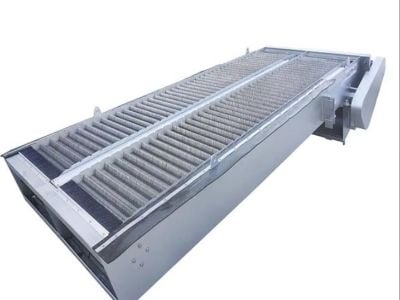
Bar screen systems are important tools used in wastewater treatment plants. They help clean water by removing large items, or coarse solids, before the water goes through more treatment. These solids can be anything from sticks and leaves to plastic bottles and other debris. When wastewater enters a plant, it needs to be clean before it goes back into rivers or oceans. If the water is not cleaned properly, it can harm fish and other wildlife. The bar screen systems play a key role in making sure that only clean water is released back into nature.
What Are the Key Benefits of Bar Screen Systems for Coarse Solids Removal?
Bar screen systems offer many benefits that help improve the quality of water treatment. First, they are great at capturing large items. Imagine trying to clean a messy room without picking up the big stuff first. It’s almost impossible! Similarly, bar screens catch big debris so that smaller particles can be addressed later. This makes the whole cleaning process more effective. Also, these systems can be automated. This means they can work without constant human help, which saves time and labor costs. When a bar screen captures waste, it can automatically move it away to a collection area. This helps keep the treatment plant clean and organized. Another important benefit is that bar screens help prevent damage to other equipment in the treatment plant. If large items get through, they can clog pipes and break machines. By removing these coarse solids early, the plant can run smoothly and efficiently. This not only saves money on repairs but also makes the treatment process faster. Additionally, using bar screens means that the water can be treated more quickly. The faster the water is cleaned, the faster it can be returned to rivers or lakes. This is important for local ecosystems and communities that rely on clean water. Lastly, BOEEP's bar screening systems are designed to be durable and long-lasting. They can handle tough conditions and still work well. This means less need for replacement and maintenance, which is great for saving money in the long run.
What Makes Bar Screen Systems Essential for Wastewater Treatment?
Bar screen systems are essential in wastewater treatment for several reasons. First, they are the first line of defense against unwanted debris. When wastewater arrives at a treatment facility, it often carries a lot of trash and organic material. A bar screen catches this debris right away. This helps to keep the rest of the treatment process running smoothly. Without bar screens, this waste could cause real problems later on. For instance, if large pieces of plastic or metal make their way into pumps or tanks, they can cause breakdowns. This could lead to costly repairs and downtime. Moreover, bar screens help improve the quality of the water being treated. Clean water is vital for the environment, and bar screens make sure that only clean water is released. They help protect fish and other wildlife that live in lakes and rivers. If bar screens weren’t used, more pollution would enter these habitats. Furthermore, BOEEP's bar screen systems are designed to work in various environments. Whether in a small town or a large city, these systems can adapt and perform well. This adaptability makes them a favorite choice for many treatment facilities. The ease of maintenance is another reason why these systems are essential. They are built for easy cleaning and upkeep. This means that workers can keep them in good shape without spending too much time. Lastly, the technology behind bar screens is always improving. New designs and materials help them work better and last longer. This innovation helps plants be more efficient in treating wastewater. In this way, wastewater bar screen systems are not just tools; they are crucial for ensuring that our water is clean and safe for everyone.
What to Watch Out For?
When using bar screen systems for coarse solids removal, there are some important things to pay attention to. First, you need to understand what bar screens are. They are screens with bars that help catch large pieces of material, like sticks, leaves, and other debris, from water or wastewater. It is important to check the spacing between the bars. If the bars are too far apart, smaller solids might slip through and cause problems later. Also, if the bars are too close together, it might be hard for water to flow through, which could make the system work less efficiently.
Another thing to watch out for is how well the bar screen is made. High-quality materials will last longer and resist wear and tear. If the bar screen is made from weak materials, it could break or bend, leading to costly repairs. You should also pay attention to how the system is maintained. Regular checks and cleaning are necessary to keep the bar screen working well. If debris builds up, it can block the screen and cause water to back up. This can lead to bigger problems, like flooding or damage to the system.
Finally, always consider the location of the bar screen. It should be placed where it can easily collect debris but also where it is easy to access for maintenance. If the bar screen is hard to reach, it might not get cleaned as often as it should. Therefore, planning the installation carefully is crucial for long-term efficiency and effectiveness.
How Bar Screen Systems Improve Efficiency in Solids Removal?
Bar screen systems are a great way to make removing coarse solids more efficient. When water comes into a treatment plant or facility, it often carries large pieces of debris. If these pieces are not removed, they can cause problems in the treatment process. Bar screens tackle this issue by capturing these solids right away. This helps keep the water clean and ensures that the treatment process goes smoothly.
One big benefit of using bar screens is that they help prevent clogs and backups. When large debris gets stuck in pipes or pumps, it can cause them to fail. This could lead to expensive repairs and downtime. By using a bar screen, we can catch these materials before they reach the pumps. This keeps everything running smoothly and saves time and money.
Another way bar screen systems improve efficiency is through automation. Many modern bar screens can operate with little human intervention. They can automatically clean themselves and adjust based on the amount of debris they catch. This means that workers can focus on other important tasks instead of always having to check and clean the screens. Automated systems can also provide data on how much debris is being collected, which helps in planning and decision-making.
Using bar screens is also environmentally friendly. By removing large solids early, we help ensure that the water treated is cleaner and safer for the environment. This is important for protecting our rivers, lakes, and oceans. BOEEP's bar screen systems are designed to maximize efficiency in solids removal, making them an excellent choice for any facility that needs to manage water treatment effectively.
How to Maximize the Performance of Your Bar Screen System?
To get the best out of your bar screen system, there are several steps you can take. First, it is essential to choose the right size and type of bar screen for your specific needs. Different facilities may have different amounts of debris, so understanding your situation is crucial. BOEEP offers a range of options that can be tailored to fit various requirements. Make sure to consult with experts to select the best one for your facility.
Next, regular maintenance is key to keeping your bar screen system running well. Schedule routine inspections to check for wear and tear, and clean the screen often. This will help prevent clogs and ensure that the screen is working at its best. When cleaning, be sure to remove any debris that has built up. This not only keeps the system efficient but also helps avoid bigger problems later on.
Training your staff is another important factor. Make sure that everyone who works with the bar screen system knows how it operates and what to look for during maintenance. Understanding how to spot issues early can save time and money in the long run. It’s also helpful to keep a log of maintenance activities. This record can show trends and help identify when parts may need replacing.